

Treatment for Children with Autism: A Guide for Parents

Does your child have Autism Spectrum Disorder (ASD)? Do they struggle with emotional regulation? Have you tried outpatient care without lasting results? This may include therapy, school support, behavior plans, or medication. But sometimes, these approaches aren’t enough.
When that happens, it can be hard to know what to try next. Residential treatment for children with autism may provide the structure and support your child needs.
At Sandhill Center, we provide compassionate, therapeutic care for children ages 8 to 13. We support children with autism, anxiety, and other emotional or behavioral challenges. Our goal is to help children build skills, gain confidence, and move forward.
Learn more about how Sandhill Center can help. Contact us to speak with our team.
Understanding Autism Spectrum Disorder in Children
Autism Spectrum Disorder affects how a child processes the world around them. This includes sensory input, social cues, communication, and change. For some children, this shows up as difficulty reading social situations. Or it can be forming peer relationships. For others, it's rigidity around routines or intense reactions to sensory overwhelm. Meltdowns can also seem to come out of nowhere.
Every child on the spectrum is different. This is why autism can be so hard to treat with a one-size-fits-all approach. What looks like defiance, aggression, or a "behavior problem" is often something else entirely. It can be a child who is overwhelmed, overstimulated, or struggling to communicate a need. In many cases, residential treatment for children with autism may be the best path.
Why Traditional Behavior Modification Often Falls Short
Many families come to Sandhill Center after trying traditional programs. You may have tried reward charts, consequence systems, structured behavioral plans. With these approaches, progress doesn't always stick. The same struggles can resurface under stress. This isn't a failure on the family's part. Instead, it's often because these approaches ask a child to change their behavior before their nervous system is regulated enough to do so.
Children with autism often don't respond to conventional behavior modification. Rewards and consequences assume a level of executive function and emotional regulation. These may not yet be accessible to a dysregulated child. Real progress often requires a different starting point.
Residential Treatment for Children with Autism
Some children with autism need more support than outpatient care can provide. This may be true when a child has severe emotional dysregulation. There can be sensory challenges or unsafe behaviors.
Residential treatment provides support throughout the day. Children live in a structured setting with trained staff. This gives them more opportunities to practice skills and manage challenges in real time.
Sandhill Center provides residential treatment for children with autism ages 8 to 13. Treatment is tailored to each child. We consider their unique needs, strengths, and challenges. Personalized treatment may focus on:
Sensory needs and sensitivities
Communication style and needs
Emotional triggers and regulation
Social and behavioral skills
Coping with stress and change
The goal is to create treatment that fits the child. We don’t expect every child to respond to the same approach.

A Neuroregulatory Approach to Autism Treatment
At the core of our program is a neuroregulatory approach. It’s informed by the Neurosequential Model of Therapeutics. This approach focuses first on helping children feel safe, calm, and regulated.
For children with autism, this may include predictable routines and sensory support. It also means building strong, trusting relationships with staff. Staff understand that a meltdown may be a sign of dysregulation. It’s not simply defiance or bad behavior.
As children become more regulated, they may be better able to learn new skills. This can include communication, social skills, and emotional awareness. The goal is to help children build these skills when they are ready to use them.
Autism and Co-Occurring Emotional Challenges
Autism can occur alongside other emotional and behavioral challenges. These challenges may affect how a child handles stress, emotions, school, and relationships. When several challenges occur together, treatment may need to address the whole picture.
Common co-occurring conditions and challenges may include:
Anxiety
Depression and other mood disorders
ADHD
Trauma-related challenges
Attachment difficulties
At Sandhill Center, we look at each child as an individual. Autism is only one part of their experience. Other emotional or behavioral challenges may also affect their needs.
Our clinical team considers these factors when developing a treatment plan. This may include sensory needs, emotional regulation, social challenges, and relationship patterns. By looking at the child as a whole, treatment can address multiple areas at the same time.
This approach can help children build practical skills for managing emotions, handling stress, and developing healthier relationships.
How Animal-Assisted Therapy Supports Autistic Children
Our programs provide animal-assisted therapy. This offers a unique benefit for children with autism. There can be connection without the pressure of verbal, face-to-face interaction. Horses respond to calm, regulated body language. That’s rather than words. And this can give children immediate, honest feedback in a low-stakes setting.
For many children on the spectrum, this approach can help. Nonverbal relationship-building can feel more accessible than traditional social interaction. Learning to approach, groom, and lead a horse calmly can build both self-regulation and confidence. These skills often transfer into other relationships at Sandhill and at home.
Personalized Education for Autistic Students
School can be a hard environment for a child with autism. There can be sensory overload, social demands, and rigid expectations. These combined can make the classroom feel unmanageable. Many children arrive at Sandhill Center after repeated struggles or removals from traditional school settings.
Del Rio Academy, our on-site school, is built around small class sizes. There are personalized academic plans rather than a standardized pace. Our education and clinical treatment happen under one roof. Teachers and therapists coordinate closely. They can adjust sensory and emotional support in real time. That’s rather than waiting for the next evaluation.

A Small, Home-Like Environment for Sensory Sensitivity
Many children with autism struggle in large, loud, or unpredictable environments. This can include a busy classroom, a crowded facility, or a schedule that changes without warning. Sandhill Center is intentionally small and home-like. This can help to minimize overstimulation. At the same time, our program offers the structure and community.
This smaller scale allows staff to know each child. They learn their sensory sensitivities, communication preferences, and early signs of dysregulation. They can then better respond before a situation escalates. For a child with autism, this kind of attuned, low-stimulation environment can make a difference.
What Daily Treatment for Children with Autism Looks Like
Predictability is important for children with autism. Many rely on routine to feel secure. Our daily schedule offers a consistent rhythm. There’s academics, therapy, recreation, and community life. Children always have a sense of what's coming next.
Days include time at Del Rio Academy, our on-site school. There’s also personal and group therapy sessions. We weave sensory and regulation support throughout the day. Recreational or community activities can help as well. This structure isn't just organizational. For a child with autism, a predictable environment can become a therapeutic tool. This can reduce anxiety and create space for growth.

Signs It's Time to Consider Residential Treatment
Choosing residential treatment for children with autism is a big decision. Many families arrive at it only after other options haven't led to lasting change. It may be worth exploring if:
Your child's autism is accompanied by significant emotional dysregulation or unsafe behavior
Traditional behavior modification and outpatient therapy haven't produced meaningful progress
Sensory overwhelm frequently escalates into crisis at home or school
Your family has exhausted local resources and needs a higher level of care
You're seeking an environment built specifically around your child's sensory and emotional needs
Do any of these feel familiar? If so, it may be time for residential treatment. You can talk with our admissions team about whether our programs could help.
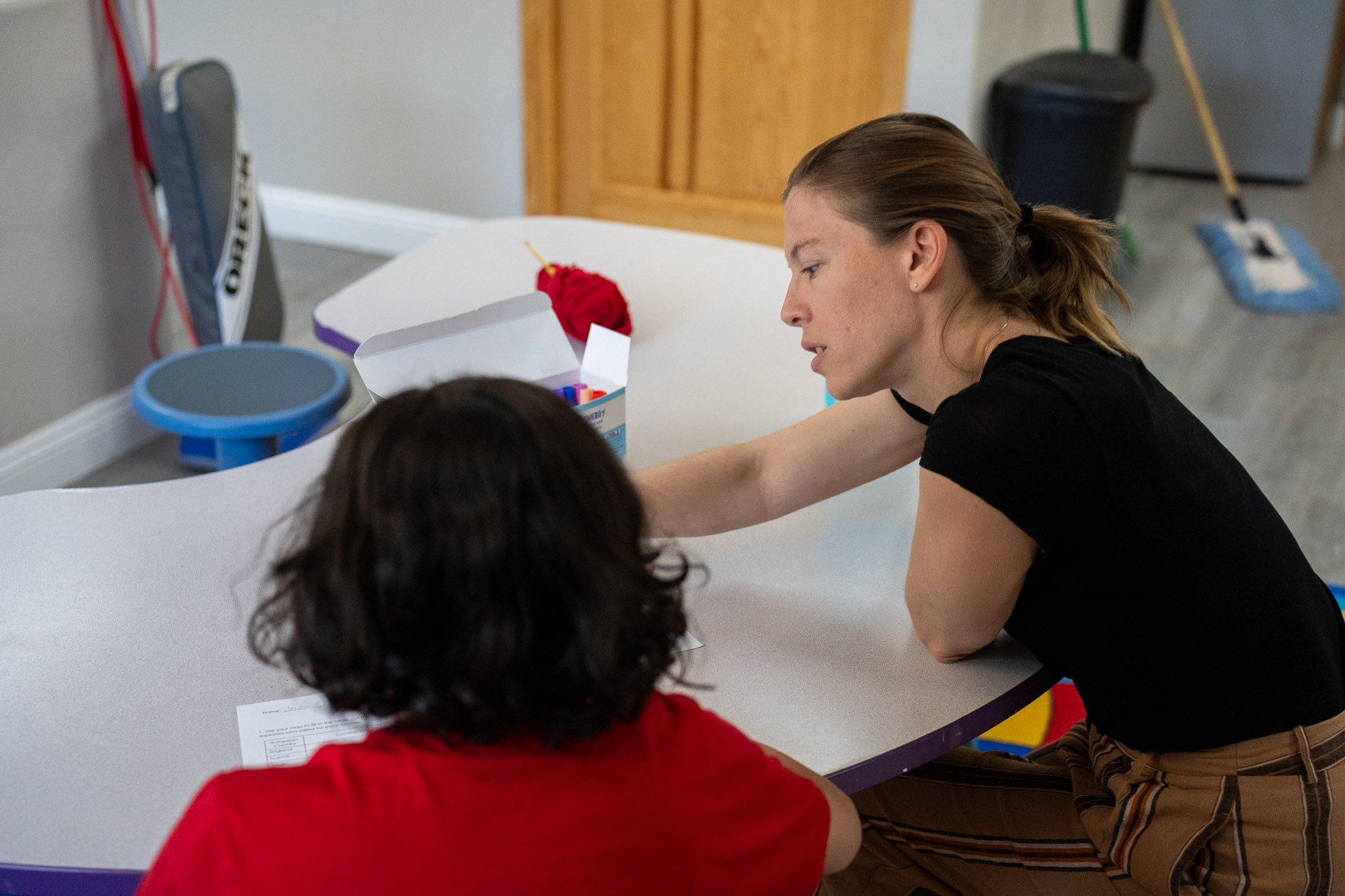
What to Expect: Admissions and Assessment
There are many factors when considering residential treatment for a child with autism. Families want to know they’re making the right choice. Our admissions process is designed to be collaborative and supportive. We take time to understand your child and their needs.
Many families start with our assessment track. This is a focused evaluation period. It can help identify what may be contributing to your child’s challenges. It can also help determine if residential treatment is the right fit.
Admissions are reviewed throughout the year. Our team can guide you through the process. We are here to help from your first call through your child’s first day.
You Don't Have to Navigate This Alone
Are you searching for residential treatment for children with autism? You don’t have to make the decision alone. Choosing the right program takes time. It also takes a clear understanding of your child’s needs.
For more than two decades, Sandhill Center has helped children with autism. You’ll find support for many emotional or behavioral challenges. Our goal is to help children feel safe, build confidence, and develop skills they can use in daily life.
Contact our admissions team today to learn more about Sandhill Center. We can answer your questions. This can help you determine if our program may be a good fit for your child and family. Ready to learn more? Contact Sandhill Center today.
