

Treatment for Children with Anxiety:
A Guide for Parents

If your child’s anxiety feels bigger than you both can handle, you’re not alone. Many parents spend years trying to find the right help. They may visit doctors and meet with school staff. They try different treatments without seeing lasting results.
In this guide, you’ll learn about treatment for children with anxiety. There are many options available for families. We’ll cover common signs of anxiety and different types of treatment. You’ll also learn how therapy, family involvement, and a therapeutic setting can help. Children can better manage anxiety and build lasting coping skills.
At Sandhill Center, we provide compassionate, therapeutic care. Our program is for children ages 8 to 13 who are struggling with anxiety. There’s support for other emotional or behavioral challenges as well. Our goal is to help children build the skills they need to feel better and move forward. To learn more, contact Sandhill Center.
What Does Childhood Anxiety Look Like?
Anxiety in children doesn’t always look like worry. It can show up in many ways. A child may have stomachaches before school, trouble sleeping, or meltdowns. They may become irritable or refuse to leave your side.
Some children become perfectionists. They may be afraid to make a mistake or worry about getting something wrong. Others may act out. Their anxiety can look like defiance or a behavior problem.
This can be confusing for parents. The behavior may not look like fear. But fear may be driving it. A child who melts down over a canceled plan or lashes out when overwhelmed isn’t necessarily being manipulative. They may simply lack the skills to express what they are feeling. Understanding these signs is an important first step. It can help with finding the right treatment for children with anxiety.
When Anxiety Becomes More Than Worry
All children experience some worry. It's a normal part of growing up. But when anxiety starts interfering with daily life it might not be something a child can simply "get over." It can impact school attendance, friendships, sleep, or basic routines
This is often the point where families begin looking for more structured treatment for children with anxiety. In many cases, outpatient therapy hasn't led to meaningful change. Here are signs that anxiety has moved beyond typical worry:
Frequent physical complaints (headaches, stomachaches) with no medical cause
Avoidance of school, friends, or activities they once enjoyed
Explosive reactions to minor stressors
Difficulty being separated from a parent or caregiver
Anxiety that coexists with depression, anger, or withdrawal
Residential Treatment for Children with Anxiety
Anxiety can be severe, entrenched, or tangled up with other emotional and behavioral challenges. For these cases, residential treatment can offer something outpatient care often cannot. There’s more time, consistency, and an immersive environment. It’s built around a child's nervous system, not just their symptoms.
At Sandhill Center, we have residential treatment for children with anxiety. Our program is for children ages 8 to 13 in New Mexico. We help kids who are struggling to regulate their emotions. This includes anxiety and other emotional dysregulation.
Rather than treating anxiety in isolation, we look at the whole child. Our programs address how their brain and body respond to stress. A dedicated environment can allow them to finally feel safe enough to heal.

Why Traditional Outpatient Therapy Isn't Always Enough
Many of the families who come to Sandhill have already tried other support. This may be weekly therapy, medication, or even short-term hospitalization. These approaches can be valuable. However, for some children with anxiety, an hour a week may not be enough. It may not interrupt deeply ingrained patterns of fear and dysregulation.
Traditional outpatient therapy also tends to focus on higher-level thinking. It often involves talking through feelings, building coping strategies, and setting goals. However, a child’s nervous system still might be stuck in a state of fight, flight, or freeze. As a result, higher-brain conversations can be difficult to access. Addressing anxiety at a more foundational level first may be a better move.
What is Residential Treatment for Children With Anxiety?
Residential treatment gives children safety and structure. This provides a healing place to work on severe anxiety. Children live on-site with trained staff. Unlike outpatient therapy, residential care provides support day and night. Treatment becomes part of a child’s daily life. It is not limited to one therapy session each week.
This structure can help children with anxiety feel more stable. They have more chances to practice new skills. Staff can see how anxiety affects them throughout the day. This may happen at school, during meals, or in social situations. Staff can also help during stressful transitions. They can provide support when anxiety occurs.
Residential treatment can also give families a break from daily stress. Anxiety can lead to conflict and avoidance at home. A structured setting can help break this cycle
The goal is to help children build skills and confidence. Children can learn better ways to manage stress and emotions. They can then use these skills when they return home.
What a Day in Treatment Looks Like
Predictability can be a powerful tool for anxious children. We intentionally structure the daily schedule. It’s consistent and can give kids a felt sense of "I know what's coming next." This is something many anxious children can benefit from.
Days include academic time at Del Rio Academy, our on-site school. There’s also personal and group therapy, recreational and community activities, and time built around connection with staff and peers. This rhythm isn't just logistics, it can be therapeutic.
How Animal-Assisted and Recreational Therapy Support Anxious Kids
Some meaningful progress can happen outside a traditional therapy room. Our animal-assisted therapy program gives children new experiences. It can be a low-pressure way to build trust, practice calm body language, and experience connection. That’s without the intensity of face-to-face conversation.
Working with horses requires a regulated, calm presence. Animals can respond to a child's internal state, not their words. For an anxious child, this offers real-time, nonjudgmental feedback and a sense of accomplishment. Combined with hiking, outdoor recreation, and community activities, these experiences can help children heal. It can build confidence and resilience that carries over into everyday life.
A Neuroregulatory Approach to Treating Childhood Anxiety
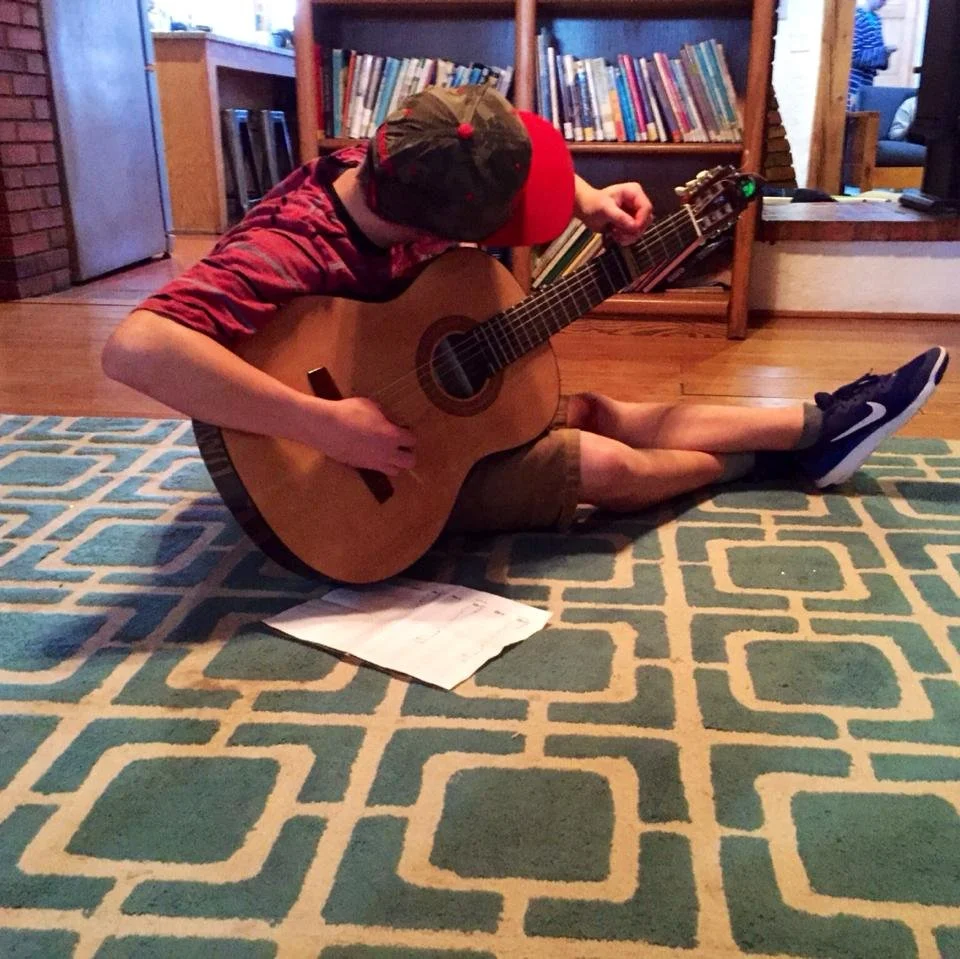
At Sandhill Center, we use a neuroregulatory approach. It’s informed by the Neurosequential Model, to treat childhood anxiety. In simple terms, this means we start by calming and stabilizing more primitive parts of the brain. These are the parts responsible for a child's stress response. This happens before asking them to engage in higher-level emotional or behavioral work.
For an anxious child, this might look like predictable daily rhythms. There’s sensory-based support, and consistent, trusted relationships with staff. They don't get shaken by big reactions.
Over time, a child's brain and body learn that they are safe. Anxiety symptoms often begin to soften. They become more available for traditional talk therapy and family work. This can lead to growth that lasts well beyond treatment.
Anxiety and Co-Occurring Conditions
Anxiety can occur alongside other emotional or behavioral challenges. These are sometimes called co-occurring conditions. When this happens, children may need treatment that addresses more than anxiety alone.
Common co-occurring conditions may include:
Depression
ADHD
Autism Spectrum Disorder (ASD)
Trauma-related challenges
Attachment-related challenges
At Sandhill Center, we look at the whole child. We don’t treat anxiety as a stand-alone issue. Anxiety can affect many areas of a child’s life. It may lead to school avoidance, anger at home, or trouble building relationships.
It’s useful to understand these connections. This can lead to better residential treatment for children with anxiety. The goal is to address the underlying challenges. This can help children build healthier ways to manage fear, stress, and emotions.

Signs It's Time to Consider Residential Treatment for Children with Anxiety
Deciding to pursue residential treatment is rarely easy. It's a decision most families arrive at only after trying other options. You may want to explore residential care if:
Your child's anxiety significantly limits daily functioning at home or school
Outpatient therapy and medication haven't led to meaningful improvement
Anxiety is paired with unsafe, aggressive, or highly dysregulated behavior
Your family has exhausted local resources and needs a higher level of care
You're looking for an environment that can address anxiety alongside other emotional or behavioral needs
Do any of these resonate? If so, it may be time to have a conversation with a program like Sandhill Center. You can learn if residential treatment is the right next step.
What to Expect: Admissions and Assessment
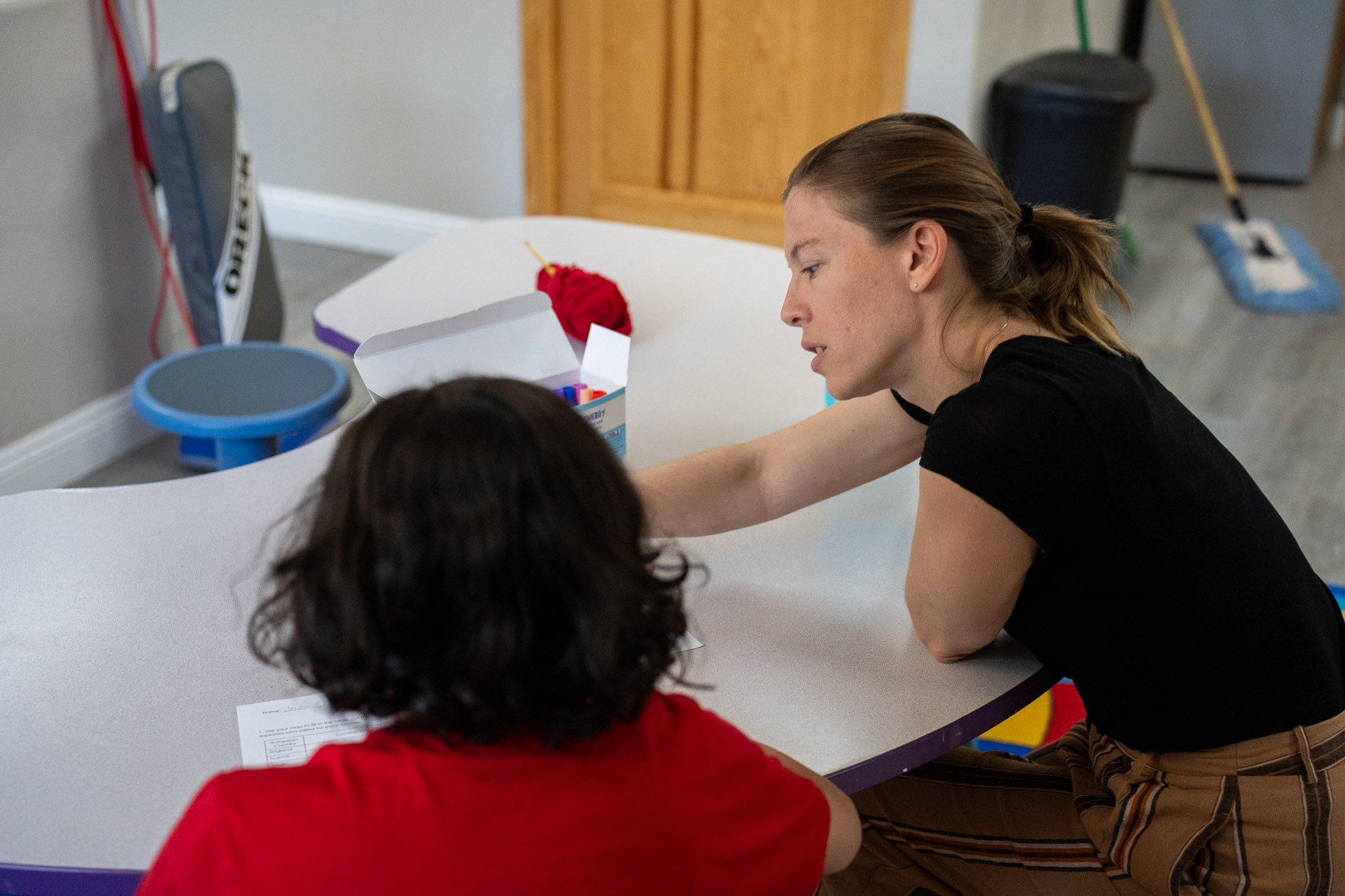
We know that choosing residential treatment is a big step for parents. Our admissions process is designed to be a partnership, not a hurdle. We want to understand your child and family before recommending any path forward.
Many families begin with our clinical assessment. It’s a focused period of observation and evaluation. This can help clarify what's driving a child's anxiety and behavior. It helps to learn if our longer-term residential program is the right fit. Our team is available to walk you through every step.
You Don't Have to Navigate This Alone
Has your child reached a point where nothing else seems to be working? Know that there’s a path forward. You don't have to find it by yourself. There’s proven treatment for children with anxiety.
At Sandhill Center, we've spent over two decades helping children. They can move from a place of fear to a place of safety, connection, and growth. To learn more about our programs in New Mexico, contact our admissions team today.
