
Personal Enrichment for Children:
Building Confidence, Skills, and Resilience
Children need more than academic instruction and traditional therapy to grow into confident, resilient people. Personal enrichment gives children opportunities to explore interests, develop practical skills, build relationships, and experience success in areas outside the classroom.
For children facing emotional, behavioral, or developmental challenges, these experiences can be meaningful. If you’re looking for a therapeutic environment that supports your child's growth beyond traditional treatment, contact Sandhill Center today. You’ll learn more about our programs and whether they may be a good fit for your family.
What is Personal Enrichment?
Personal enrichment refers to activities and experiences that help a person develop. This includes skills, interests, confidence, relationships, and a broader sense of themselves. For children, personal enrichment can include activities such as:
Outdoor recreation
Sports and physical activities
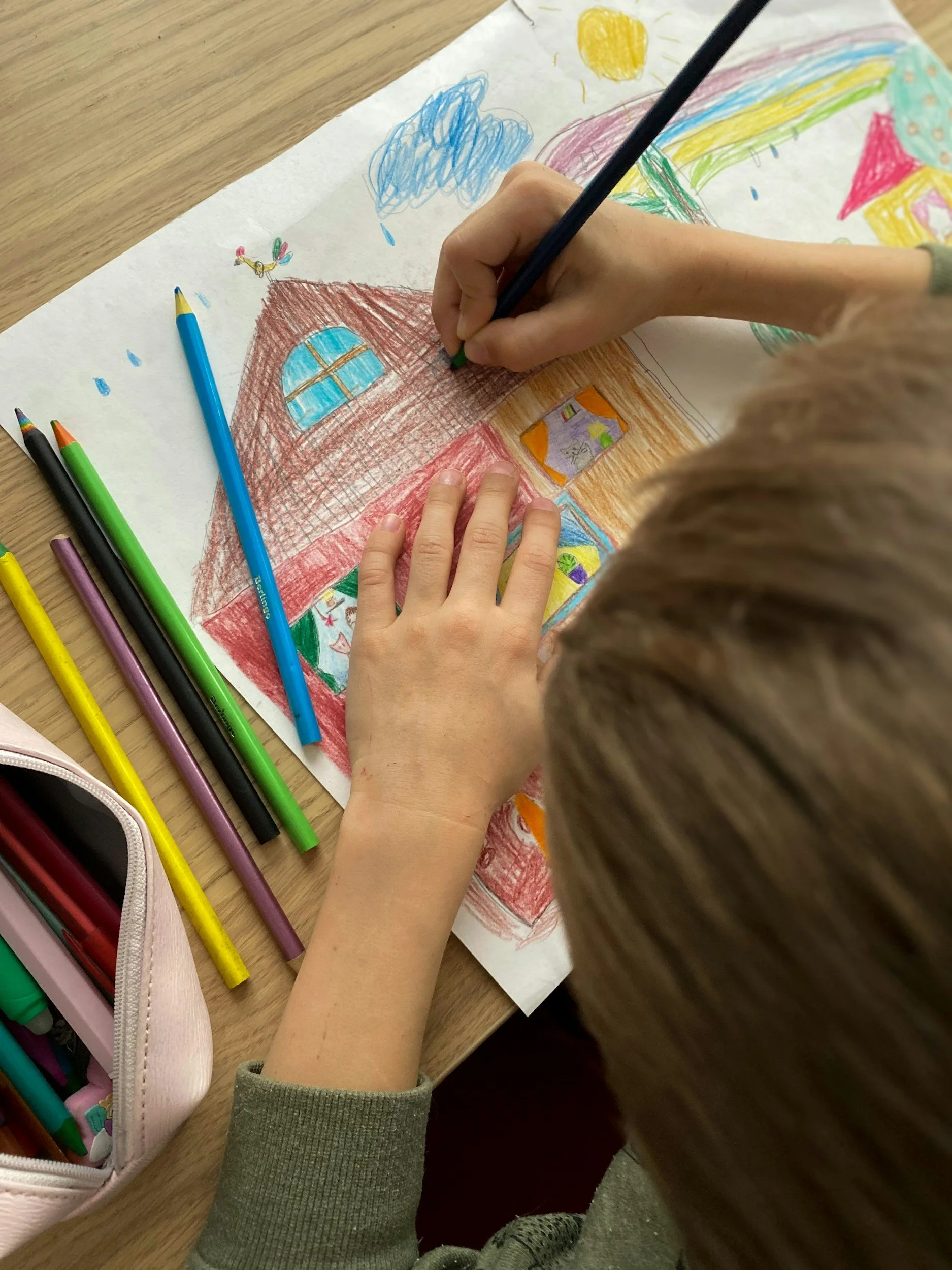
Art and creative projects
Music
Animal-assisted activities
Community experiences
Leadership opportunities
Social and group activities
Practical life skills
Exploring personal interests
Personal enrichment isn’t necessarily a formal therapeutic intervention. Instead, it can complement clinical treatment by giving children more ways to learn, connect, express themselves, and discover their strengths.
This can be valuable for children who have begun to define themselves through their struggles. A child who frequently hears about behavioral problems, academic difficulties, or emotional challenges may benefit from opportunities to experience competence and success in other areas.
Why Personal Enrichment Matters for Children's Development
Childhood is a time of exploration. Children learn about themselves by trying new things, interacting with others, solving problems, making mistakes, and discovering what they enjoy. These experiences contribute to development in several ways.
Building Confidence
Success doesn’t always have to mean receiving the highest grade or winning a competition. Completing a challenging activity, learning a new skill, helping another person, or successfully managing frustration can all provide meaningful experiences of competence.
Repeated opportunities to succeed can help children develop greater confidence in their ability to handle challenges.
Developing Social Skills
Many enrichment activities involve cooperation and communication. Children may need to take turns, listen to others, resolve disagreements, ask for help, or work toward a shared goal.
These experiences can give children opportunities to practice social skills in situations that feel more natural than a formal therapy session.
Encouraging Healthy Interests
Children benefit from having activities they genuinely enjoy. Interests can provide structure, motivation, opportunities for connection, and healthy ways to spend time.
A child who discovers an interest in animals, art, hiking, sports, music, or another activity may begin to develop a stronger sense of identity beyond the challenges that brought them into treatment.
Supporting Emotional Regulation
Enrichment activities can also create opportunities to practice emotional regulation.
A child may become frustrated while learning a new skill, nervous before trying something unfamiliar, or disappointed when an activity doesn’t go as planned. With support, these everyday challenges can become opportunities to practice coping, flexibility, communication, and recovery.
Personal Enrichment and the Whole Child
Support for children should consider the whole child rather than focusing only on symptoms or behaviors.
Mental and emotional health are connected to relationships, physical activity, learning, environment, sleep, routines, interests, and a child's sense of belonging.
This whole-child perspective is consistent with Sandhill Center's approach to therapeutic care. Our residential program combines clinical treatment with education, recreation, outdoor experiences, community activities, and other opportunities for children to develop skills and relationships.
Sandhill Center provides opportunities for children to practice skills across different parts of their day. That’s rather than separating therapy from everyday life.

Personal Enrichment Within a Therapeutic Environment
Personal enrichment shouldn’t replace professional mental health treatment when a child needs clinical care. However, enrichment activities can complement treatment by creating more opportunities for growth.
For example, a child working on emotional regulation may practice those skills while in a group activity. A child who struggles socially may have opportunities to cooperate with peers during recreation. A child with low confidence may discover an activity in which they feel capable and engaged.
These experiences can provide information about a child's strengths and needs that may not emerge during a traditional therapy session.
Sandhill Center's clinical approach is informed by the Neurosequential Model of Therapeutics (NMT). This considers a child's developmental history and regulatory needs when guiding treatment. The model supports a personalized approach. That’s rather than assuming every child will respond to the same intervention.
Within this framework, daily experiences can become opportunities to support regulation, relationships, and development.

Outdoor Activities as Personal Enrichment
Spending time outdoors can provide children with opportunities for physical activity, exploration, sensory experiences, and connection with others.
Outdoor activities can also introduce manageable challenges. Hiking, exploring nature, participating in recreational activities, or learning practical outdoor skills can encourage persistence and problem-solving.
Sandhill Center incorporates outdoor and experiential activities into its programming, giving children opportunities to participate in activities beyond the traditional classroom and therapy setting.
The goal isn’t simply to keep children occupied. Structured activities can provide opportunities to practice skills such as communication, cooperation, frustration tolerance, and flexibility.
Animal-Assisted Experiences
Animals can also play a role in enrichment and therapeutic environments.
Sandhill Center incorporates animal-assisted experiences, including interactions with horses and therapy dogs. These activities can provide opportunities for children to practice empathy, responsibility, communication, connection, and emotional awareness.
For some children, animals can make social and emotional experiences feel more approachable. Caring for or interacting with an animal may also provide a different way to practice patience, boundaries, and responsibility.
Animal-assisted activities should complement professional mental health treatment.

Creative Activities and Self-Expression
Creative activities can provide children with another way to explore interests and communicate experiences.
Art, music, writing, crafts, and other creative activities can encourage experimentation and self-expression. They can also provide opportunities for children to make choices, work through frustration, and experience the satisfaction of completing a project.
Not every creative activity needs to have a therapeutic objective. Sometimes simply discovering something a child enjoys is valuable.
For children who have experienced repeated difficulties at school or home, finding an activity that feels enjoyable and achievable can provide an important reminder. They have strengths as well as challenges.
Personal Enrichment and Education
Education is an important part of childhood. However, learning doesn’t happen only through traditional academics.
Children also learn by interacting with peers, solving real-world problems, trying unfamiliar activities, and taking responsibility for tasks.
Sandhill Center integrates personalized educational support into its residential programming. This allows academic needs to be addressed alongside therapeutic and developmental goals.
Enrichment activities can complement this educational environment by allowing children to apply skills in different contexts.
For example, planning an activity can involve organization and decision-making. Working on a group project can involve communication. Outdoor activities can require problem-solving and persistence.
These experiences can help children recognize that learning and personal growth extend beyond grades and traditional classroom assignments.
Personal Enrichment in Residential Treatment
Residential treatment provides an opportunity to incorporate enrichment into the child's daily environment. That’s rather than limiting it to occasional activities.
At Sandhill Center, children ages 8 to 13 participate in a structured environment. It combines therapeutic treatment, education, recreation, relationships, and personal development. Our program's home-like setting provides structure while giving children opportunities to practice skills in everyday situations.
This can be helpful for children whose emotional or behavioral challenges affect multiple areas of life. Children have opportunities to practice regulation, communication, problem-solving, and social skills throughout the day.
How Parents Can Encourage Personal Enrichment at Home
Personal enrichment doesn’t have to involve expensive programs or elaborate activities.
Parents can encourage enrichment by giving children opportunities to explore interests and make appropriate choices. Consider:
Trying a new hobby together
Spending time outdoors
Encouraging creative projects
Visiting museums, parks, or community events
Cooking or completing household projects together
Exploring sports or physical activities
Volunteering as a family when age-appropriate
Encouraging children to care for pets
Allowing children to pursue genuine interests
Celebrating effort and persistence rather than only achievement
The most important factor may be giving children room to explore without making every activity another performance expectation.
Personal enrichment should create opportunities for curiosity, connection, and growth.
Choosing a Program That Supports Personal Growth
If your child is receiving intensive mental health treatment, it can be helpful to consider whether the program supports development beyond clinical symptoms. Families may want to ask:
What activities are available outside therapy?
Are children encouraged to explore personal interests?
How are recreation and education incorporated?
Do children have opportunities to develop practical skills?
How are social skills practiced?
How does the program support emotional regulation during daily activities?
Are family members involved in the child's growth?
Does the program recognize individual strengths?
A treatment environment should recognize that children are developing people with interests, abilities, relationships, and aspirations.
Personal Enrichment as Part of a Child's Growth
Personal enrichment isn’t a substitute for therapy or other clinical treatment when a child needs professional mental health support. Instead, it can be a complement to comprehensive care.
Children need opportunities to discover their strengths, develop interests, connect with others, solve problems, experience manageable challenges, and feel successful. These experiences can support emotional development. This is while helping children build an identity that extends beyond their difficulties.
Sandhill Center incorporates therapeutic care,personalized education, recreation, outdoor experiences, animal-assisted activities, and relationship-building into programs for children ages 8 to 13. This whole-child approach creates opportunities for children to develop emotional regulation, resilience, confidence, and healthier relationships.
Does your child need more comprehensive support? Are you looking for a program that values both therapeutic progress and personal growth? Contact Sandhill Center today. You can learn more about our programs and discuss whether our approach may be an appropriate fit for your child and family.