

Outdoor and Movement-Based Experiences: Supporting Children's Emotional Development
Outdoor and movement-based experiences can give children opportunities to build confidence, practice emotional regulation, and strengthen relationships. For children who struggle with stress, impulsivity, or challenging emotions, activities such as walking, playing outdoors, and other structured movements can be valuable parts of a broader support plan.
If your child needs help with emotional or behavioral challenges, contact Sandhill Center today. You can learn how our personalized, NMT-informed residential programs support children's development. This is through daily routines, therapeutic relationships, and outdoor activities.

What Are Outdoor and Movement-Based Experiences?
Outdoor and movement-based experiences are activities that encourage children to engage with their surroundings. This is through physical movement, exploration, play, and interaction with others.
These experiences can be simple, such as taking a nature walk, playing catch, gardening, or participating in a group game. They may also include structured recreational activities. These can help children practice cooperation, problem-solving, coordination, and persistence.
For children, movement is more than a way to use energy. Physical activity and outdoor play create opportunities to learn about their bodies. They can respond to challenges, connect with other people, and experience success.
These activities aren’t a substitute for mental health treatment when a child needs clinical care. However, when integrated into a child's routine, they can complement therapeutic support. They can create opportunities to practice developmental skills.
Benefits of Outdoor and Movement-Based Experiences for Children
Children develop emotional, social, and physical skills through experiences in supportive environments. Outdoor activities and movement can provide ways to build these skills.
1. Supporting Emotional Regulation
Some children have difficulty recognizing when they’re becoming overwhelmed or managing their responses to frustration. Movement can provide an opportunity to engage the body, shift attention, and practice responding to different situations.
Activities such as walking, stretching, or playing a familiar game may help some children feel more settled. Others may benefit from quieter outdoor experiences or activities with fewer sensory demands.
The effect varies from child to child. Movement doesn’t automatically regulate every child, and stimulating activities may increase distress for some. Observing a child's responses and adjusting the activity can help adults identify what’s most supportive.
2. Building Confidence and Resilience
Trying something new, completing a physical challenge, or learning a recreational skill can help children develop confidence in their abilities.
Outdoor activities often involve manageable challenges, such as navigating a trail, learning the rules of a game, or practicing a new movement. With encouragement and support, children can learn to tolerate mistakes, try again, and recognize their progress.
These experiences can also help children understand that setbacks are a normal part of learning. Success doesn’t have to mean winning or performing perfectly. Participation, effort, and persistence can be achievements.
3. Encouraging Social Skills and Healthy Relationships
Many outdoor and movement-based activities involve cooperation, communication, and shared decision-making. Children may need to take turns, follow group expectations, resolve disagreements, or ask for help.
These situations create opportunities to practice social skills in a practical setting. For example, a cooperative game can help children work toward a shared goal, while a group nature walk may encourage conversation and curiosity.
Adults can help children navigate conflicts without taking over every interaction. With practice, children may become more comfortable expressing needs, respecting boundaries, and working with others.
4. Supporting Attention and Problem-Solving
Outdoor experiences often invite children to observe, explore, and respond to their environment. A nature scavenger hunt, gardening activity, or simple navigation challenge can encourage attention, planning, and flexible thinking.
Movement breaks may also help some children return to structured tasks feeling more prepared to participate. However, outdoor activity shouldn’t be presented as a guaranteed treatment for attention difficulties. It’s not a replacement for educational or clinical support.
The goal is to provide varied, developmental experiences that help children practice skills in different contexts.
5. Promoting Physical Health and Well-Being
Regular physical activity supports children's physical health, including cardiovascular fitness, muscle development, coordination, and bone health. Outdoor play can also provide opportunities for fresh air, daylight exposure, and a change of environment.
The benefits depend on the activity, its duration, and the child's needs. Children should have access to equipment, supervision, hydration, rest, and protection from weather.
Activities don’t need to be intense or competitive to be valuable. Gentle movement and enjoyable play can be ways to incorporate physical activity into daily life.


Examples of Outdoor and Movement-Based Activities
The most useful activity is one that matches a child's developmental abilities, interests, and comfort level. Consider these options for home, school, or a structured therapeutic setting.
Nature Walks and Outdoor Exploration
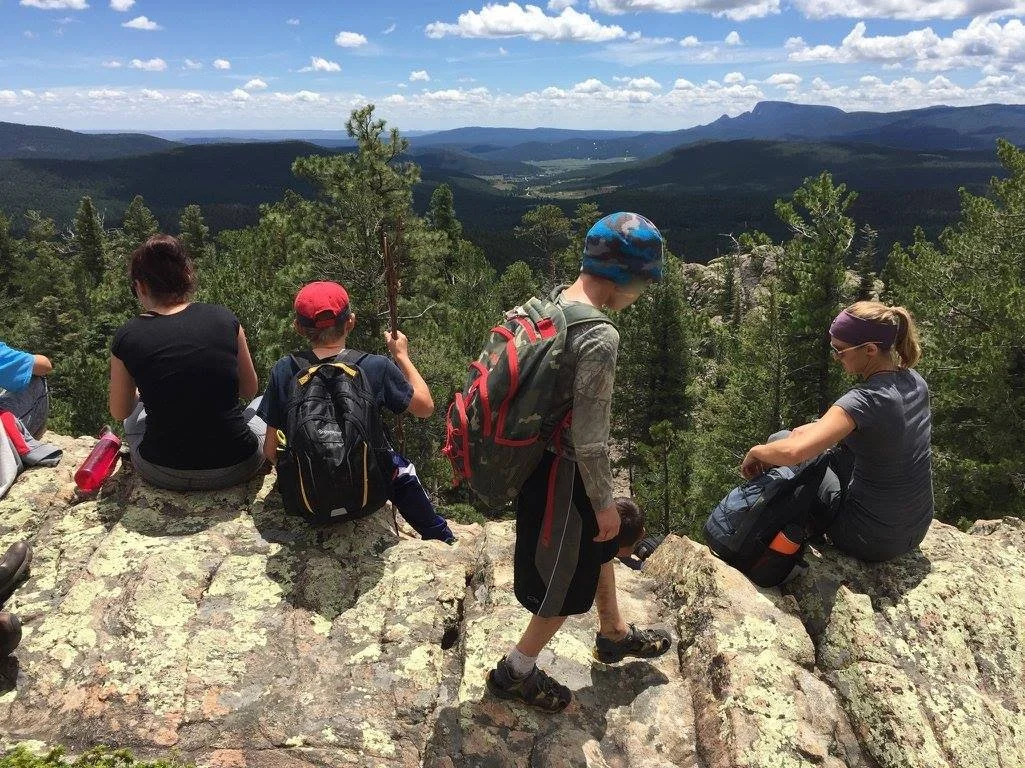
A walk provides opportunities to move, observe the environment, and engage in conversation without the pressure of a formal lesson. Children might look for different leaves, listen for birds, or notice changes in the weather.
Nature walks can also offer opportunities to practice curiosity and flexible thinking. If a child becomes uncomfortable with noise, uneven ground, or unpredictable conditions, choose a more familiar route or a quieter setting.
Cooperative Games
Games such as passing a ball, completing a simple obstacle course, or working together to solve a physical challenge can help children practice communication and cooperation.
Adults can adapt the rules to reduce unnecessary competition and make participation more accessible. For children who struggle with frustration, predictable rules and clear expectations may help make the experience more manageable.
Gardening and Hands-On Outdoor Projects
Gardening, planting seeds, watering plants, and caring for an outdoor space allow children to engage in activity. These tasks can encourage patience, responsibility, and observation as children see how plants change over time.
Hands-on projects can be useful for children who prefer practical activities over sitting and talking. They also provide natural opportunities for conversation and shared accomplishment.
Stretching, Yoga, and Gentle Movement
Simple stretches, balance activities, or age-appropriate movement routines can help children notice physical sensations and practice coordination.
These activities should be adapted to each child's abilities and preferences. Children should never be forced into uncomfortable positions or pressured to participate in activities that cause distress.
Team Activities and Recreational Sports
Structured sports and recreational games can help children practice following directions, handling disappointment, and participating as part of a group.
The environment matters. Some children thrive with friendly competition, while others may become overwhelmed by loud settings, fast-paced rules, or pressure to perform. An adult can help select activities that emphasize participation, learning, and cooperation.

Outdoor Activities as Part of a Broader Therapeutic Approach
Outdoor and movement-based experiences can support development. However, they shouldn’t be expected to resolve complex emotional or behavioral challenges on their own.
Children who have difficulties may need a combination of clinical assessment, therapeutic relationships, educational support, predictable routines, and personalized interventions. Outdoor activities can complement these services by providing settings in which children can practice coping, communication, and problem-solving skills.
For example, a child who struggles with frustration may practice recovering from a minor setback during a game. A child who finds social interaction difficult may begin with a short, supported activity alongside one trusted adult before joining a larger group.
Adults can help children reflect on these experiences. Rather than asking only whether an activity went well, they might ask what the child enjoyed, what felt difficult, and what support made the experience easier.
The purpose isn’t to turn every outdoor activity into a therapy session. Enjoyment, exploration, and positive relationships have value in their own right.

How Parents Can Encourage Outdoor and Movement-Based Experiences
Parents can introduce outdoor and movement-based activities without complicated equipment or elaborate plans. A few practical strategies can help make participation more comfortable and consistent.
Start with your child's interests. Choose activities your child is curious about, whether that means walking, gardening, kicking a ball, or exploring a park.
Keep expectations realistic. Short activities can be a good starting point, particularly for children who become overwhelmed by new experiences.
Create predictable routines. Let your child know where you are going, how long the activity may last, and what will happen afterward.
Offer choices. Giving children a say in the activity can encourage participation and a sense of control.
Prioritize connection over performance. Focus on enjoyment, effort, and cooperation rather than winning or meeting a particular standard.
Adapt to sensory and physical needs. Consider noise, crowds, weather, mobility, and other factors that may affect comfort.
Recognize effort and progress. Acknowledge when your child tries something new, asks for help, or works through a manageable challenge.
If outdoor activities lead to distress or conflict, consider what may be making them difficult. A different environment, a shorter activity, more preparation, or professional guidance may help.

Frequently Asked Questions About Outdoor and Movement-Based Experiences
Can outdoor activities help children manage difficult emotions?
Outdoor and movement-based activities may provide opportunities to practice coping, cooperation, and emotional regulation. Their effects vary, and they should be considered one part of a broader support plan. That’s rather than a stand-alone treatment for emotional difficulties.
Are movement-based experiences appropriate for every child?
Not every activity is suitable for every child. Physical abilities, sensory preferences, developmental needs, and emotional responses should guide activity selection. Some children prefer energetic games, while others feel more comfortable with gentle movement or quiet outdoor exploration.
Do outdoor activities count as therapy?
An outdoor activity isn’t automatically therapy. It may be recreational, educational, or part of a clinician-guided treatment plan, depending on its purpose and how it’s delivered. Families should ask providers how activities fit into a child's care.
How does Sandhill Center incorporate outdoor activities into care?
Sandhill Center's NMT-informed approach includes daily routines, therapeutic interactions, and outdoor and recreational experiences. These activities take place within a broader residential program. That’s rather than serving as a replacement for clinical assessment and personalized therapeutic support.
When should parents seek professional help?
Consider seeking professional guidance when emotional or behavioral difficulties persist, interfere with school or family life, affect relationships, or create safety concerns. A professional can help assess the child's needs and discuss levels of support.
Helping Children Grow Through Movement, Exploration, and Connection
Outdoor and movement-based experiences can give children opportunities to explore their surroundings. They can build confidence, practice social skills, and develop healthier ways of responding to challenges. These experiences are most valuable when they reflect the child's needs and are supported by caring adults.
For children who need more help, Sandhill Center combines NMT-informed care with structured routines, therapeutic relationships, and daily opportunities for growth. Contact Sandhill Center to learn more about our assessment track and longer-term residential programs. You can learn whether our approach may be appropriate for your child.