

Morning and Evening Neuroregulatory Activities: Supporting Children's Emotional Regulation
Children who struggle with emotional regulation may find it difficult to start the day calmly, transition between activities, or settle down at night. Consistent routines and developmental activities can help children practice regulation skills and feel more prepared for daily challenges.
Morning and evening neuroregulatory activities are part of Sandhill Center's approach to care, which is grounded in the Neurosequential Model of Therapeutics (NMT). These activities fit into a broader therapeutic environment. This emphasizes regulation, relational connection, and developmental needs.
Contact Sandhill Center to learn how our neuroscience-informed residential programs use structured daily routines and personalized therapeutic support. This is to help children build emotional regulation, resilience, and healthier relationships.

What Are Morning and Evening Neuroregulatory Activities?
Morning and evening neuroregulatory activities are structured experiences. They’re intended to support a child's regulation and help create predictable transitions at the beginning and end of the day.
Neuroregulation refers broadly to the processes involved in managing arousal, attention, emotions, and responses to the environment. Children who struggle in these areas may have difficulty moving from sleep to daily responsibilities, handling transitions, or settling after an active day.
A routine can provide cues about what to expect and opportunities to practice regulation skills. Depending on the child's needs, activities might involve movement, calming sensory experiences, predictable sequences, or supportive interactions with caregivers.
At Sandhill Center, morning movement and calming evening routines are incorporated into a structured daily schedule. These experiences are part of a broader NMT-informed approach. That’s rather than standalone treatments that are expected to resolve emotional or behavioral difficulties on their own.
The activities should reflect each child's developmental level, sensory preferences, and personal treatment goals. across healthcare, education, residential treatment, and family settings.
Why Morning Routines Matter for Children's Emotional Regulation
The transition from sleep to daytime activities can be challenging for children who struggle with emotional regulation, attention, or changes in routine.
A rushed morning may add unnecessary stress, especially when children are expected to move quickly between several tasks. Predictable routines can help make the transition more manageable.
Creating Predictability and Structure
Children often benefit from knowing what will happen next. A consistent sequence of waking up, getting dressed, eating breakfast, and preparing for school can reduce uncertainty.
Visual schedules, simple reminders, and clear expectations may help children who have difficulty organizing tasks or remembering multiple instructions.
Predictability doesn’t mean every morning must go exactly as planned. Instead, the goal is to create a reliable structure that children can learn to navigate, with flexibility when circumstances change.
Using Movement to Support Readiness
Physical activity can help children transition into the day and provides opportunities to engage their bodies in a purposeful way.
Depending on the child's abilities and preferences, morning movement might include walking, stretching, or simple movement games. Activities should be accessible, enjoyable, and adapted to individual needs.
Movement isn’t a guaranteed way to improve emotional regulation, and no single activity works for every child. Its value depends on how it fits into the child's overall routine and support plan.
Building Connection Before Daily Demands
A supportive interaction with a caregiver can help establish a positive tone for the day.
Simple practices, such as greeting a child warmly, reviewing the day's schedule, or offering encouragement, provide opportunities for connection without adding pressure.
For children who find transitions difficult, a calm and consistent start may make it easier to engage with the next activity.

Why Evening Neuroregulatory Activities Are Important
Evenings involve a different set of challenges. After a full day of school, social interaction, and other demands, some children may feel tired, restless, irritable, or overwhelmed.
A predictable evening routine can help reduce last-minute stress and provide a clearer transition toward rest.
Creating a Calmer Environment
Reducing unnecessary stimulation before bedtime may help children prepare for sleep. Families can consider quieter activities, lower household noise, and consistent expectations around evening responsibilities.
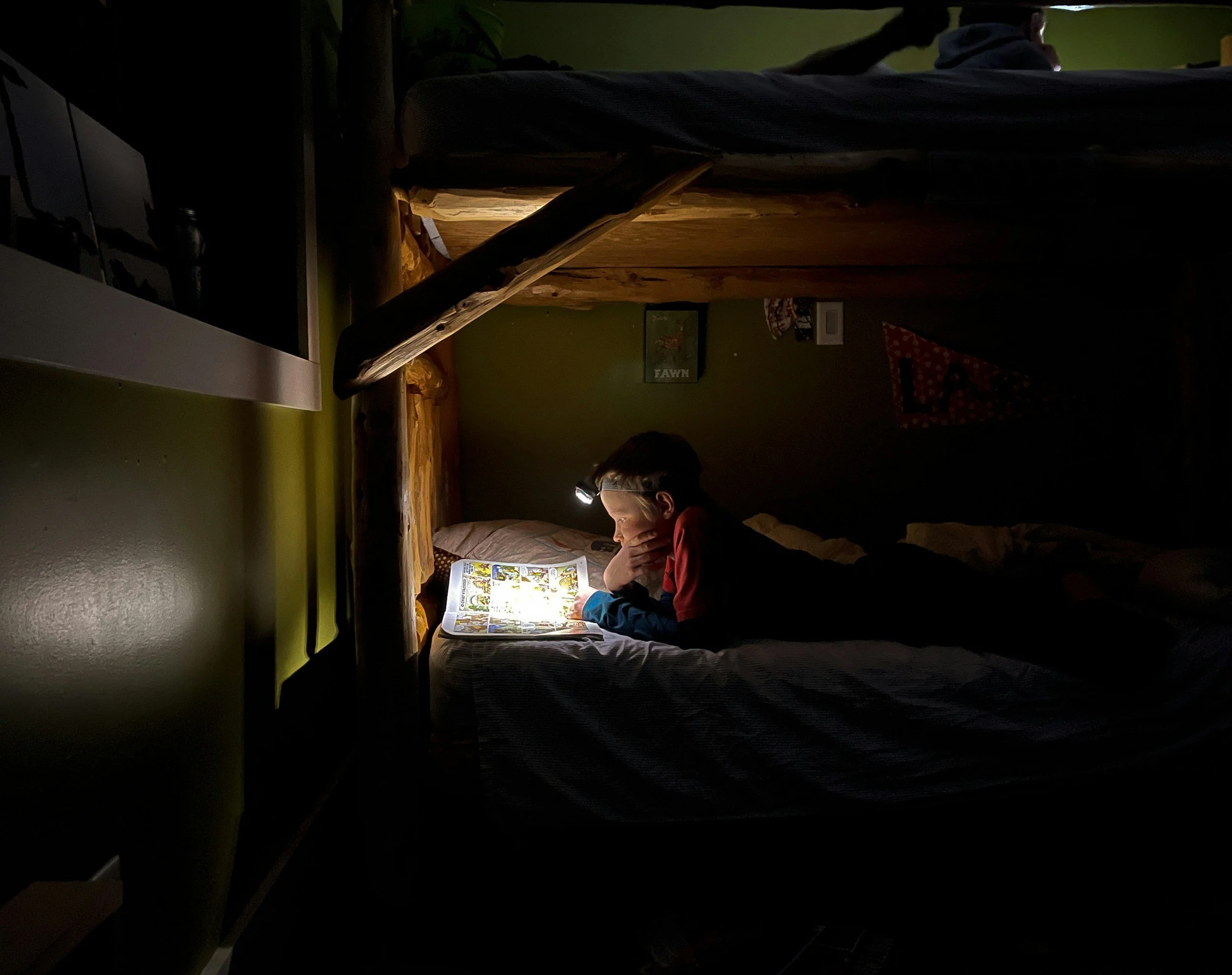
Reading, drawing, listening to calming music, or spending quiet time with a trusted adult may suit some children. The best choices depend on the child's preferences and what helps them feel comfortable.
Children who are sensitive to sound, light, touch, or other sensory input may need additional adjustments to their environment.
Supporting Consistent Sleep Habits
Regular sleep schedules are important for children's health, attention, mood, and daily functioning. Insufficient or disrupted sleep can make it harder for children to manage frustration and cope with everyday demands.
Helpful habits include maintaining a consistent bedtime, allowing enough time for sleep, and establishing a predictable wind-down period.
If a child regularly struggles to fall asleep, wakes frequently, or appears excessively tired during the day, families should consult a healthcare professional to investigate possible causes.
Evening neuroregulatory activities aren’t a substitute for assessing persistent sleep problems. They’re one possible component of a broader routine designed to support well-being.
Ending the Day With Connection
Some children benefit from having a predictable opportunity to talk with a caregiver, reflect on their day, or receive reassurance before bedtime.
The interaction should be appropriate to the child's needs. A child who wants to talk may appreciate a brief conversation, while another may prefer quiet companionship.
The aim isn’t to force emotional discussions or require a child to revisit difficult experiences. Instead, it’s to offer dependable support and an opportunity for connection.
How the Neurosequential Model of Therapeutics Informs Neuroregulatory Activities
The Neurosequential Model of Therapeutics (NMT) is a developmentally informed clinical framework. This helps professionals understand children's needs and plan interventions.
Rather than being a single therapy, NMT informs assessment, treatment planning, and the way therapeutic support is integrated into daily life.
A central consideration is the sequence of a child's developmental needs. Some children may need more support with regulation and consistent relationships before they can reliably participate in more complex emotional or cognitive tasks.
Morning and evening routines can fit into this approach by creating repeated opportunities for predictable transitions, movement, calming experiences, and supportive interactions.
However, the activities themselves aren’t a standardized NMT protocol, and their effects shouldn’t be overstated. A routine that helps one child may be ineffective or uncomfortable for another.
At Sandhill Center, NMT informs the broader therapeutic program. This includes daily routines, educational experiences, and recreational activities. The clinical team considers each child's needs when determining how support should be structured.
How Sandhill Center Incorporates Neuroregulatory Activities Into Residential Care
Sandhill Center serves children ages 8–13 who have emotional, behavioral, or developmental challenges. Our residential program provides a structured setting where therapeutic principles can be incorporated throughout the day.
Rather than limiting treatment to individual sessions, Sandhill Center integrates a NMT-informed approach into the child's daily environment. Morning movement, calming evening routines, therapeutic relationships, school activities, and outdoor experiences all form part of this broader structure.
This consistency provides opportunities for children to practice skills in everyday situations. Depending on a child's needs, the program may emphasize:
Emotional regulation: Practicing responses to frustration, transitions, and stressful situations.
Relational connection: Building trust and learning healthier ways to communicate with adults and peers.
Predictable routines: Developing familiarity with daily expectations and transitions.
Learning readiness: Supporting the conditions that help children participate in educational activities.
Resilience: Practicing skills that can help children navigate challenges over time.
These goals are personalized. Morning and evening activities are one component of care. They’re not a replacement for clinical assessment, appropriate therapy, or other services a child may need.
Adapting Neuroregulatory Activities for Children With Different Needs
Children don’t all respond to the same activities in the same way. Age, developmental differences, sensory preferences, sleep patterns, and emotional needs can influence which routines are helpful.
For example, a child who finds noise overwhelming may benefit from a quieter morning environment. A child who struggles with transitions may need visual reminders and additional time. Another child may find gentle movement helpful when shifting from one activity to the next.
Children with ADHD, autism, anxiety, or other developmental and mental health concerns may need routines tailored to their individual functioning. These diagnoses don’t determine which activities will work, and families should avoid assuming that a single approach is right for everyone.
Observe how your child responds and make adjustments when necessary. If emotional or behavioral challenges persist or interfere with daily life, consult a professional for personalized guidance.

Frequently Asked Questions About Morning and Evening Neuroregulatory Activities
What is the purpose of morning neuroregulatory activities?
Morning activities can provide a predictable transition into the day, create opportunities for movement, and help children prepare for daily responsibilities. Their usefulness depends on the child's needs and the way the activities are implemented.
How do evening routines support emotional regulation?
Consistent evening routines can reduce uncertainty and provide a calmer transition toward bedtime. They may also support healthy sleep habits, which are important for children's overall functioning.
Are neuroregulatory activities a form of therapy?
Not necessarily. Activities such as movement, calming routines, and supportive interactions can complement a therapeutic program. However, they’re not automatically formal therapy. At Sandhill Center, morning and evening activities are incorporated into a broader NMT-informed residential approach.
How long does it take for routines to help?
There’s no universal timeline. Children may need time and repeated practice to become familiar with a routine, and some activities may need to be adjusted. Routines should be evaluated based on the child's response rather than an expectation of immediate change.
Helping Your Child Build Healthier Daily Rhythms
Morning and evening neuroregulatory activities can provide structure, predictability, and opportunities for supportive connection. When tailored to a child's developmental needs, these routines may complement broader care. This can support emotional regulation, healthy sleep habits, and daily functioning.
At Sandhill Center, these activities are part of an NMT-informed approach that integrates therapeutic care into everyday experiences. The goal is to help children practice skills within a consistent, supportive environment. This is while receiving personalized care based on their needs.
If your child has emotional, behavioral, or developmental challenges, contact Sandhill Center to discuss your concerns. You can explore whether our S.T.A.R.T. assessment track or longer-term residential program may be appropriate for your family.