
Equine-Assisted Therapy for Children:
Building Confidence, Regulation, and Connection
For some children, traditional talk-based therapy can be difficult. They may struggle to describe their emotions, remain engaged in conversation, or understand what is happening when they become overwhelmed.
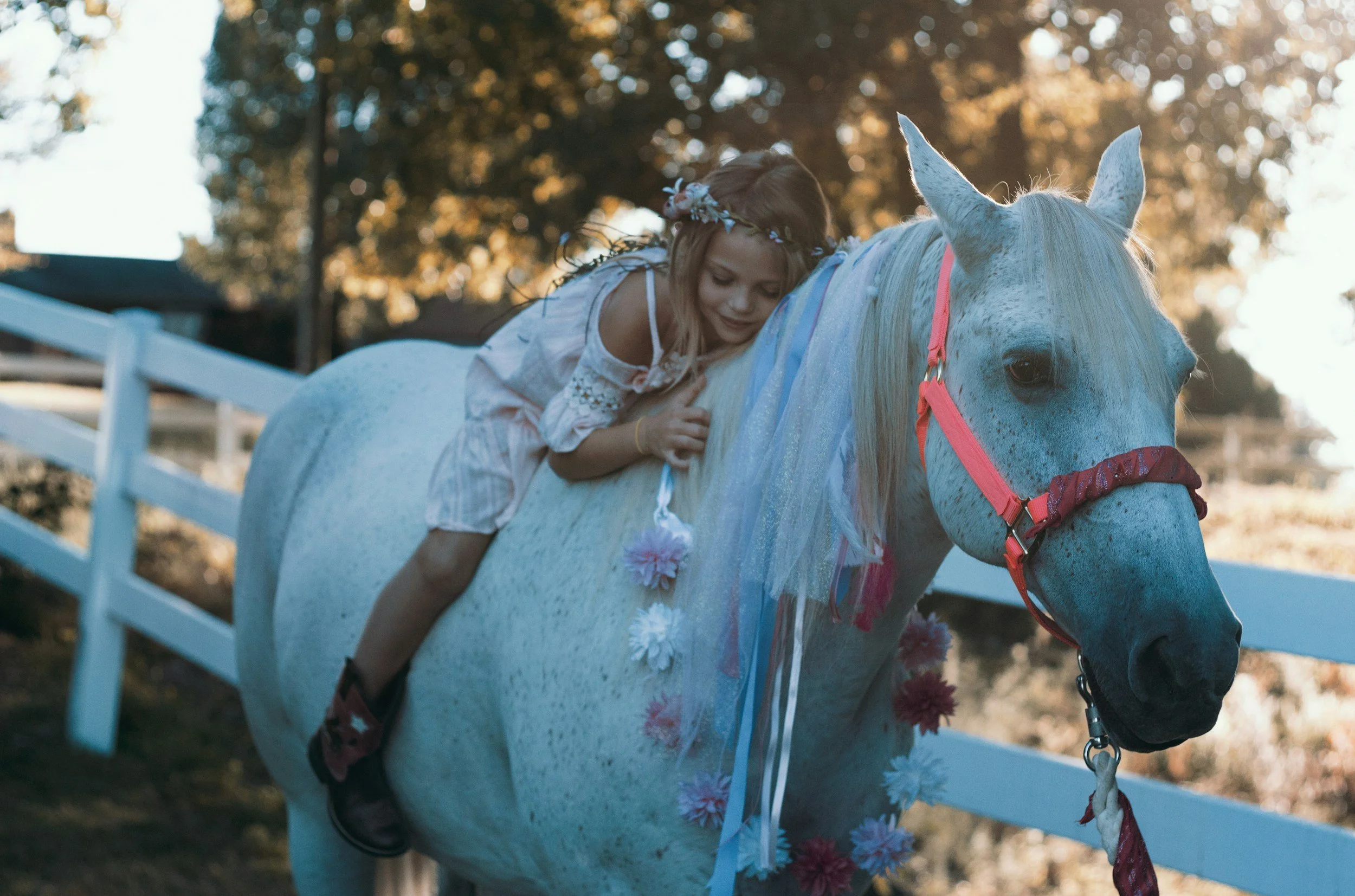
Equine-assisted therapy and therapeutic horsemanship can provide another way for children to learn. This is through relationships, movement, responsibility, and hands-on experiences. At Sandhill Center, working with horses is integrated into a broader therapeutic environment.
Our programs are for children ages 8–13 who experience emotional, behavioral, and social challenges. If you’re exploring equine-assisted therapy or residential support for your child, contact Sandhill Center today. You can learn more about how its individualized program may help.
What is Equine-Assisted Therapy?
Equine-assisted therapy is an umbrella term. It’s common for therapeutic approaches that incorporate horses into treatment or skill-building. The role of the horse depends on the program, the child's needs, and the qualifications of the professionals.
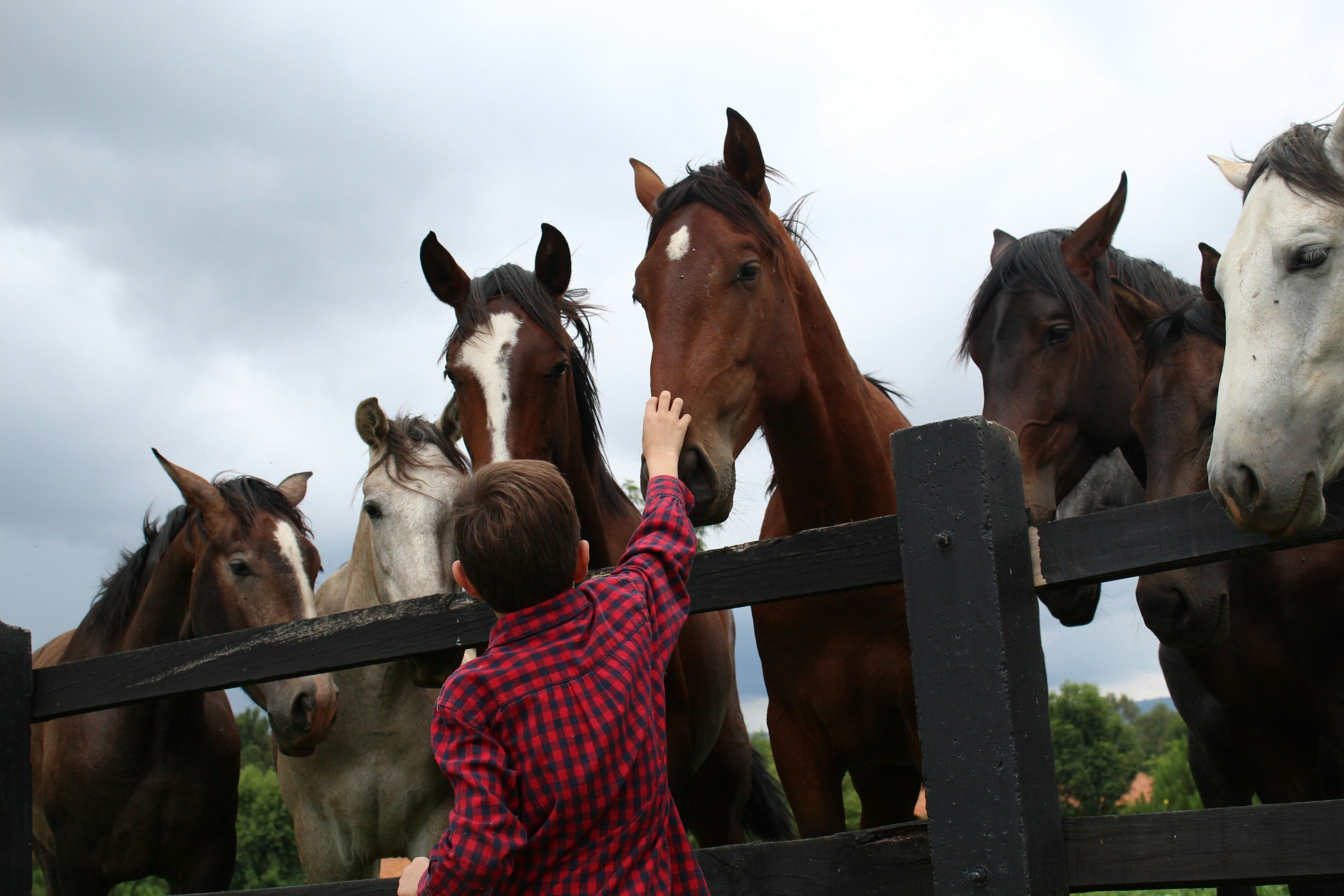
Working with horses can involve activities such as grooming, feeding, leading, or riding. It’s learning how to safely interact with and care for an animal. These activities can create opportunities to practice communication, patience, emotional regulation, responsibility, confidence, and trust.
It’s important to understand that working with horses doesn’t replace mental health treatment. Instead, equine experiences can complement clinical services. This is by giving children another setting in which to practice therapeutic goals.
At Sandhill Center, horsemanship is integrated into the larger therapeutic and residential program. That’s rather than being presented as a standalone intervention. Children can participate in horseback riding, horse care, and other barn activities as part of their daily experiences.
How Horses Can Support Emotional Regulation
Emotional regulation is a central focus of Sandhill Center's treatment approach.
Some children experience emotions with intensity. This can make it difficult to pause, communicate, accept guidance, or choose an appropriate response. Their reactions may appear as anger, impulsivity, withdrawal, aggression, or other challenging behaviors.
Interacting with horses can create opportunities to practice staying calm and attentive.
Horses are responsive to their environment and to the behavior of the people around them. Working safely with a horse requires children to pay attention to their own actions, body language, and level of arousal.
For a child who’s becoming frustrated or overwhelmed, an adult can help them slow down. They can recognize what’s happening, and return to a more regulated state.
Over time, experiences like these can help children become more aware of their emotional states and practice strategies for managing them.
Building Trust Through Relationships
Trust is another important part of working with horses.
A horse cannot simply be forced into a relationship. Children often need to approach gradually, learn how to interact safely, and develop consistency in their behavior.
This can create opportunities for children who have difficulty trusting adults or forming relationships.
At Sandhill Center, the broader therapeutic approach emphasizes relationships and connection. The goal is to provide children with consistent and supportive interactions. This can help to develop a greater sense of safety and trust. Working with animals can reinforce these principles in a different and experiential setting.
A child may discover that patience, consistency, and respectful communication produce different results than frustration or impulsive reactions.
That lesson can become relevant beyond the barn.
Why Emotional Regulation Matters
Emotional regulation is a developmental skill. Children learn how to identify emotions, tolerate frustration, manage impulses, recover from stress, and respond to difficult situations.
Some children have more difficulty developing these skills than others.
When a child becomes overwhelmed, their response may involve yelling, aggression, withdrawal, impulsivity, refusal, or other behaviors that create problems at home and school. Telling a child to “calm down” may not be enough if they don’t yet have the underlying regulatory skills necessary to do so.
Sandhill Center uses a neuroregulatory approach informed by the Neurosequential Model of Therapeutics (NMT). This framework considers developmental needs and helps guide interventions intended to support regulation before asking children to engage in more complex therapeutic work.
This approach can be relevant for children whose previous treatment focused on behavior without adequately addressing underlying regulatory needs.

The Role of the Neurosequential Model
The Neurosequential Model of Therapeutics isn’t a specific therapy technique or medication. It’s a developmentally informed framework used to help organize assessment and intervention.
At Sandhill Center, NMT serves as the clinical foundation for both short-term assessment and longer-term therapeutic programs. The approach considers how a child's developmental history and experiences may influence current functioning and helps inform personalized treatment.
For parents, this can provide a different way of understanding challenging behavior.
Instead of asking only, “How do we make this behavior stop?” treatment can also ask:
What is happening for this child, and what skills or support are needed to respond differently?
That shift can help create a more compassionate and developmentally appropriate treatment environment.
Equine Experiences and Social Skills
Children don’t work with horses in isolation.
Horsemanship can involve interacting with staff, therapists, educators, and peers. Children may need to communicate about what they’re doing, listen to instructions, take turns, or cooperate during activities.
These situations create opportunities to practice social skills. For example, a child may work on:
Listening to another person's directions
Communicating needs appropriately
Waiting for a turn
Managing frustration
Cooperating with peers
Asking for assistance
Responding appropriately to feedback
Celebrating another child's accomplishments
At Sandhill Center, these experiences are part of a larger therapeutic environment. Recreation and experiential activities are connected to personal treatment goals.

Equine-Assisted Therapy and the Neurosequential Model
Sandhill Center's program is informed by the Neurosequential Model of Therapeutics (NMT). This is a developmental framework that considers a child's neurodevelopmental history. It can help guide the sequence and type of interventions.
NMT isn’t a therapy. Rather, it helps shape how Sandhill Center approaches treatment, education, daily routines, relationships, and activities. This distinction is important.
An equine activity can be meaningful because of what a child experiences during it. There’s movement, sensory input, relationship, responsibility, challenge, success, and regulation. Those experiences can be incorporated into a broader treatment plan according to the child's developmental and therapeutic needs.
At Sandhill Center, outdoor and movement-based experiences are integrated throughout the day as part of its NMT-informed approach.
Why Experiential Therapy Can Be Valuable for Children
Children often communicate and learn through experiences rather than abstract conversation.
A child may have difficulty explaining why they became angry during a therapy session. However, they may be able to recognize what happens when they become frustrated while working with a horse.
An adult can then help connect that experience to everyday situations. For example:
What happened? The horse did not respond as expected.
How did you feel? The child became frustrated.
What did you do? They reacted quickly or became upset.
What helped? They slowed down, listened, and tried again.
What can you take from this? The same strategy may help when something goes wrong at school or home.
This kind of experiential learning can make emotional and behavioral concepts more concrete.
Horseback Riding as Part of a Broader Therapeutic Program
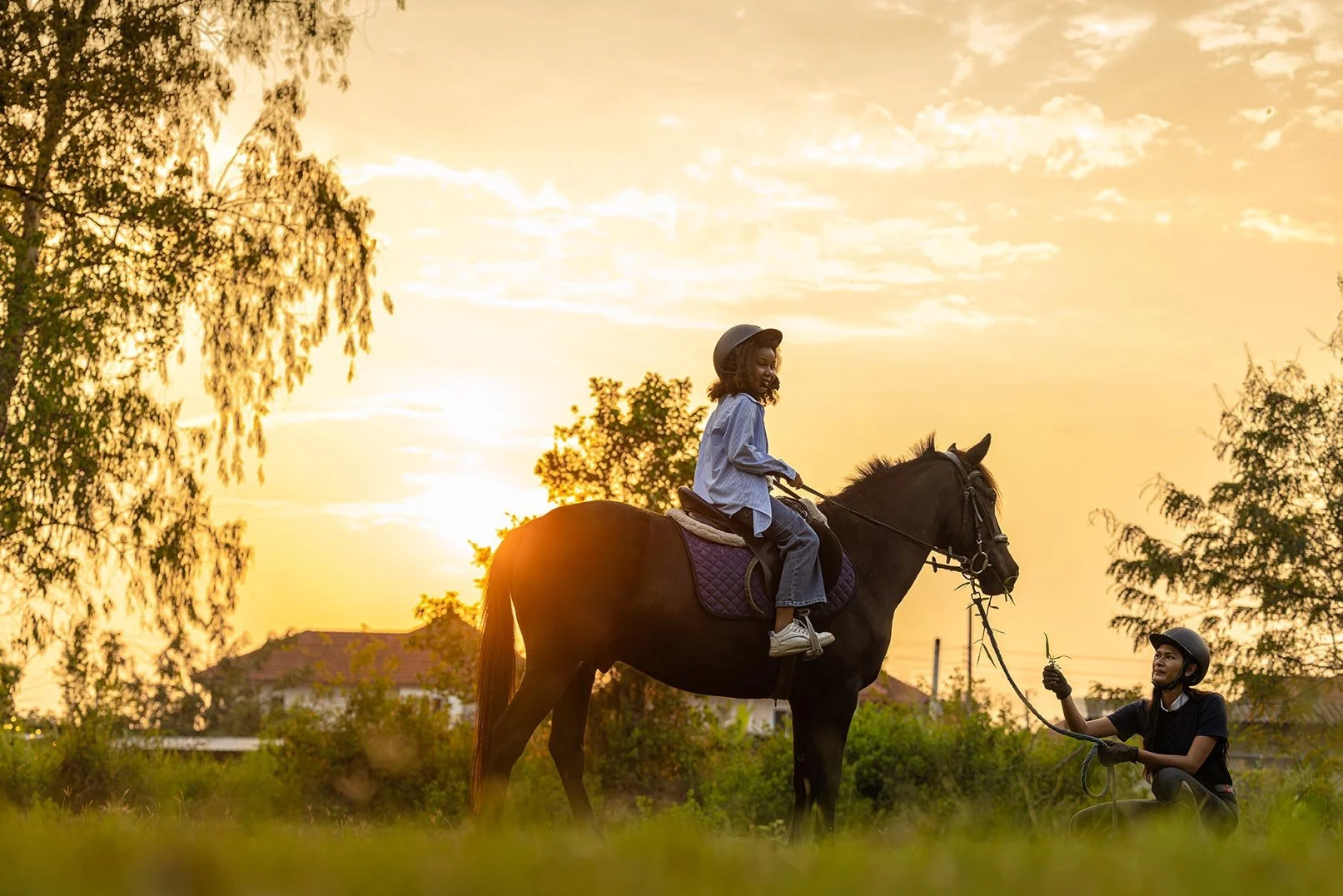
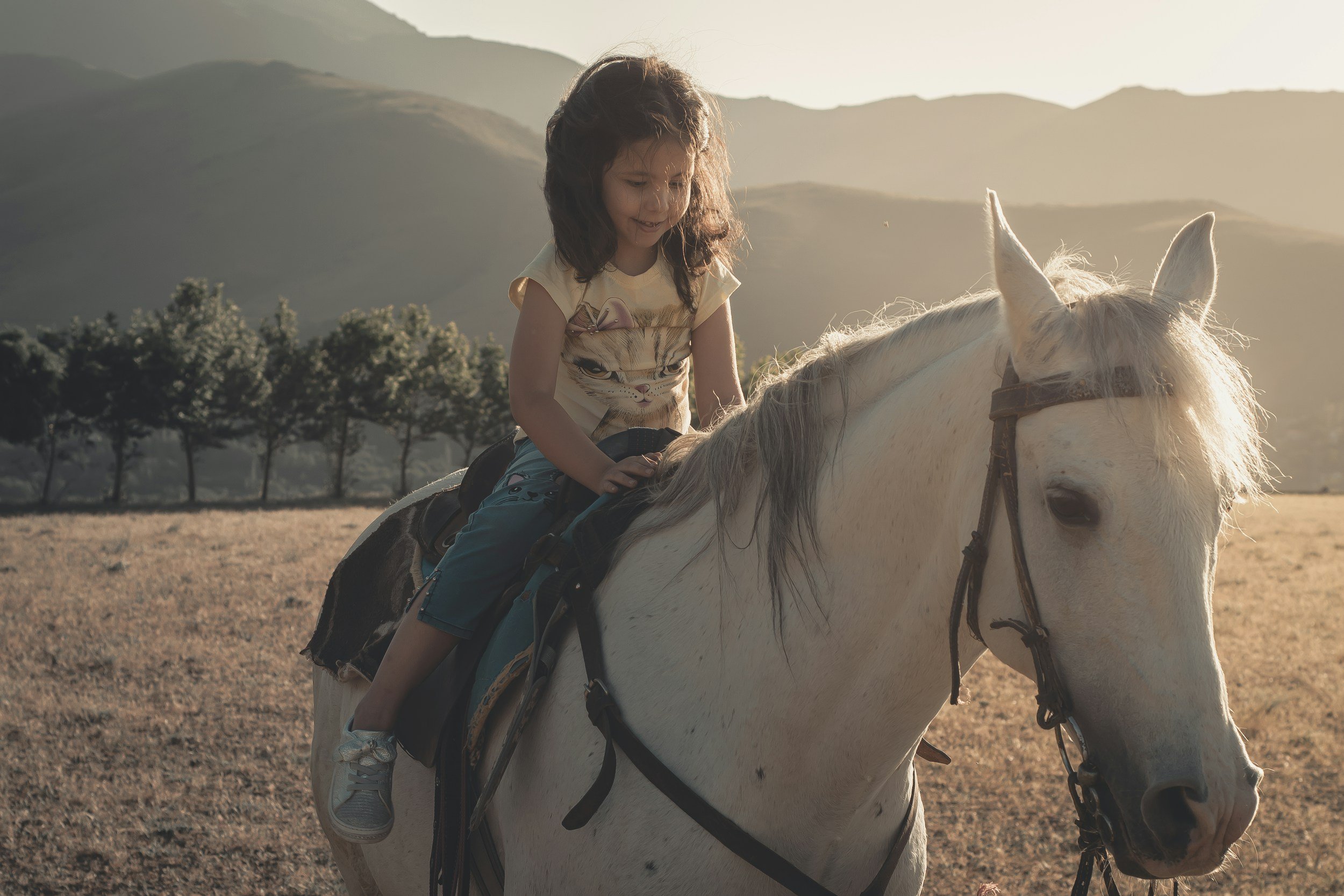
Horseback riding can provide physical movement as well as opportunities for concentration, communication, confidence, and coordination.
Sandhill Center's schedule can include horseback riding and caring for barn animals as therapeutic and skill-building activities.
However, riding is only one part of the child's overall experience.
Sandhill Center combines therapeutic activities with education, family involvement, recreation, structured routines, and personalized clinical care. Our program is designed so that children have opportunities to practice skills. This is across multiple environments rather than only during formal therapy sessions.
This broader approach matters because children need opportunities to transfer what they learn into different situations.
Equine-Assisted Therapy Within a Residential Setting
For some children, weekly therapy doesn’t provide enough support.
Children experiencing emotional dysregulation or behavioral challenges may need a more structured environment. They may benefit from therapeutic support that’s available throughout the day.
Sandhill Center provides residential care for children ages 8–13. There are both assessment and longer-term therapeutic programs. Within these programs, equine activities can become part of a child's daily therapeutic experience.
The combination of relationships, structured routines, education, therapy, recreation, and animal-assisted experiences can give children opportunities. They can practice regulation and social skills.
How Families Can Think About Equine-Assisted Therapy
Parents considering equine-assisted therapy may want to look beyond the presence of horses. Ask how the activities are connected to treatment. Useful questions can include:
Who supervises the equine activities?
What training and experience do the professionals have?
How are activities adapted for individual children?
What therapeutic or developmental goals are being addressed?
How are safety procedures handled?
Is the equine component part of a broader treatment plan?
How are parents involved?
How does the program measure progress?
What other clinical, educational, and therapeutic services are available?
The best fit depends on the child's needs.
For some children, equine experiences may be a valuable complement to outpatient therapy. For others with more challenges, they may be a component of a residential treatment.
Finding the Right Support for Your Child
Equine-assisted therapy can give children opportunities to learn. This is through connection, movement, responsibility, and meaningful relationships. Working with horses may help children practice emotional regulation, patience, confidence, and communication. They can build trust in ways that feel natural and engaging.
At Sandhill Center, these experiences are part of a larger therapeutic model for children ages 8–13. Horsemanship, horse care, education, individual and family therapy, recreation, and structured daily routines work together.
Are you considering equine-assisted therapy or a more comprehensive therapeutic program for your child? Contact Sandhill Center today. You can learn how animal-assisted and residential services may fit your child's needs.