

Anxiety Treatment Program for Children: Finding the Right Support
Anxiety is a normal part of childhood. However persistent or overwhelming anxiety can interfere with school, relationships, family life, and everyday activities. An anxiety treatment program can provide children with personalized therapeutic support. This is while helping families better understand the factors contributing to their child's distress.
Children don’t always describe anxiety as worry or fear. Instead, anxiety may appear as irritability, avoidance, emotional outbursts, physical complaints, difficulty sleeping, school refusal, or difficulty separating from caregivers. Looking beyond the behavior can help parents understand what their child may be experiencing and what type of support may be helpful.
Is your child experiencing anxiety alongside emotional or behavioral challenges? Contact Sandhill Center today. You can learn more about therapeutic programs and if they’re an appropriate next step.

What is an Anxiety Treatment Program?
An anxiety treatment program provides structured mental health support. Sandhill Center’s programs are for children whose anxiety affects their functioning or well-being. Depending on a child's needs, treatment may include:
Individual therapy
Family involvement
Emotional regulation skills
Developmentally appropriate coping strategies
Educational support
Structured routines
Psychiatric care when appropriate
Recreation and experiential activities
Comprehensive assessment
Treatment should be personalized. Anxiety doesn’t affect every child in the same way. Some children may benefit from outpatient therapy. Others with more complex emotional, behavioral, or developmental needs may require more structured treatment.
Sandhill Center provides therapeutic residential care for children ages 8–13. Professionals design treatment around each child's needs.
How Anxiety Can Affect Children
Childhood anxiety can affect emotional, physical, social, and academic functioning. A child experiencing anxiety may:
Worry excessively about everyday situations
Avoid activities, places, or people
Have difficulty separating from caregivers
Experience frequent stomachaches or headaches
Have trouble sleeping
Become easily frustrated or irritable
Struggle to concentrate
Become overwhelmed by changes or uncertainty
Avoid school or social activities
Have difficulty maintaining friendships
Some anxiety is developmentally normal. A concern arises when anxiety is persistent, difficult to manage, disproportionate to the situation, or interferes with a child's daily life.

When Anxiety Looks Like a Behavioral Problem
Anxiety doesn’t always look like fear.
A child who is anxious may become angry, argumentative, withdrawn, or resistant. Avoiding a situation may temporarily reduce anxiety, which can make avoidance become a common response.
For example, a child who becomes upset when plans change may be struggling with uncertainty. That’s rather than intentionally trying to create conflict. Similarly, school refusal may be related to separation anxiety, social concerns, academic stress, or another underlying difficulty.
This doesn’t mean every challenging behavior is caused by anxiety. Instead, behavior can provide information about what a child may be experiencing.
A therapeutic approach can help identify the emotional, developmental, and relational factors that may be contributing to the behavior.

Anxiety and Emotional Regulation
Anxiety can make emotional regulation and flexible thinking more difficult. When a child becomes distressed, they may have trouble slowing down, considering alternatives, communicating, or using coping strategies.
For this reason, treatment involves more than telling a child to stop worrying. Children may need help recognizing emotional responses. This can help with understanding what triggers them, developing coping skills, and building confidence in managing difficult situations.
Sandhill Center's clinical approach is informed by the Neurosequential Model of Therapeutics (NMT). NMT is a developmental framework that considers a child's history, development, relationships, and patterns of regulation. This helps to guide personalized care. It’s not a single therapy or an anxiety-specific treatment.
This whole-child perspective can be relevant when anxiety occurs alongside developmental differences, trauma histories, emotional dysregulation, or behavioral challenges.
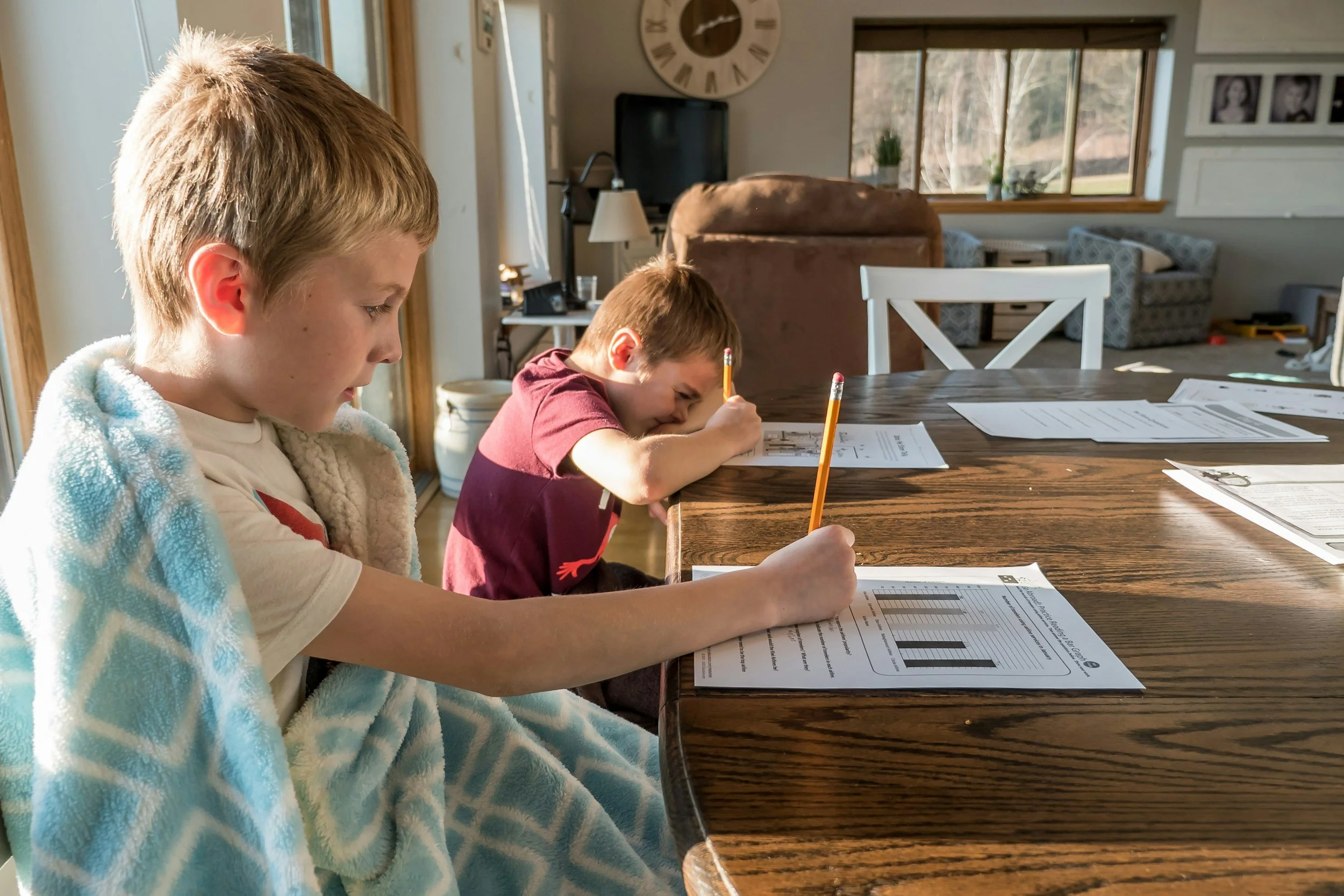
Individualized Therapy and Family Support
Therapy is an important part of anxiety treatment. Depending on the child's needs, evidence-based approaches may include cognitive behavioral strategies and exposure-based interventions. There’s also family therapy and other developmental methods.
Children can also benefit when practicing therapeutic skills outside the therapy room.
At Sandhill Center, personalized therapy takes place within a broader residential environment. Children have opportunities to practice emotional regulation, communication, problem-solving, and coping skills during therapy as well as throughout their daily routines.
Family involvement is also an important part of treatment. Parents and caregivers can learn more about their child's anxiety. They can recognize patterns that contribute to distress and develop better ways of responding.
Education as Part of Treatment
Anxiety can interfere with concentration, classroom participation, assignments, transitions, and school attendance. For some children, educational difficulties become intertwined with their emotional challenges.
Sandhill Center incorporates education into a therapeutic environment. There’s an accredited private school on campus. Personalized academic support allows educational needs to be addressed alongside clinical and developmental needs.
This integrated approach can help children practice skills across multiple areas of daily life. That’s rather than treating school and mental health as separate concerns.
The Benefits of a Structured Therapeutic Environment
Children with anxiety may benefit from predictable routines, supportive relationships, clear expectations, and opportunities to practice new skills.
Sandhill Center's residential program combines clinical care with education, recreation, experiential activities, and daily routines. Outdoor activities, community experiences, creative opportunities, and animal-assisted experiences can provide more support. Children can practice communication, flexibility, confidence, and emotional regulation.
These activities don’t replace clinical treatment. Instead, they complement therapy by giving children opportunities to apply developing skills in real-world situations.

Anxiety and Whole-Child Care
Anxiety rarely exists in isolation. A child may also experience developmental differences, emotional regulation difficulties, learning challenges, relationship concerns, or the effects of stressful experiences. These factors can influence both how anxiety appears and what type of support is most helpful.
For example, two children may both experience anxiety about school. However, they may need different forms of treatment. One may struggle primarily with social situations. The other may become overwhelmed by transitions, academic demands, or separation from caregivers.
Sandhill Center uses a whole-child, developmental approach to understanding these differences. Our clinical framework is informed by the Neurosequential Model of Therapeutics (NMT). This considers developmental history, regulation, and individual needs when guiding care.
Treatment can therefore address more than anxiety symptoms. Children may also work on emotional regulation, communication, relationships, flexibility, and coping skills. This broader approach can help children build skills that support them at home, at school, and in other areas of daily life.
When Should Parents Consider More Intensive Treatment?
Not every child with anxiety needs residential treatment. Many children benefit from outpatient therapy and support from their families, schools, and communities.
A more intensive program may help when anxiety is severe or persistent and interferes with daily functioning. Also, if it occurs alongside other complex concerns.
Parents may want to seek an evaluation when a child:
Cannot consistently participate in school or normal activities
Has severe or frequent emotional reactions
Experiences significant social or family difficulties
Struggles with daily routines despite substantial support
Has multiple emotional or behavioral concerns
Has made limited progress with previous interventions
The appropriate level of care depends on the child. A professional assessment can help determine whether outpatient, intensive outpatient, residential, or another form of support is appropriate.
S.T.A.R.T. Short-Term Assessment Track
Many families are unsure about what’s contributing to their child's difficulties or what level of care is appropriate. This is why Sandhill Center offers the S.T.A.R.T. Short-Term Assessment Track.
S.T.A.R.T. is a three-month residential assessment program. It provides comprehensive evaluation alongside therapeutic and educational support. A multidisciplinary perspective can be helpful when anxiety occurs with behavioral, developmental, academic, or relational concerns.
The goal is to develop a clearer understanding of the child and provide recommendations that can guide future treatment.
Choosing an Anxiety Treatment Program
When comparing an anxiety treatment program for a child, parents should consider more than whether the program treats anxiety. Important questions include:
Is treatment personalized?
Does the program serve the child's age group?
How are families involved?
How are emotional regulation and developmental needs addressed?
Is education incorporated into treatment?
What therapeutic approaches are available?
How does the program respond when a child becomes overwhelmed?
How is progress evaluated?
What support is provided when treatment ends?
A strong program should recognize both a child's challenges and strengths. This is while providing developmental support.
Helping Children Build Skills for the Future
The goal of anxiety treatment isn’t necessarily to eliminate every uncomfortable emotion. Worry, uncertainty, frustration, and fear are normal parts of life. Children need opportunities to learn how to experience difficult emotions without becoming overwhelmed by them.
Treatment can help children develop greater emotional awareness, coping skills, flexibility, confidence, and independence. These skills can support functioning at home, at school, and in relationships long after formal treatment ends.
Sandhill Center provides therapeutic residential care for children ages 8–13. There’s personalized clinical support, education, family involvement, structured routines, recreation, and experiential activities. An NMT-informed approach considers each child's developmental and regulatory needs.
Is your child struggling with anxiety that affects daily life? Are there complex emotional or behavioral challenges? Contact Sandhill Center today. You can learn more about our assessment program and longer-term residential treatment options. With personalized support, children can develop skills that help them navigate challenges with greater confidence and resilience.