
Adventure and Recreation for Children: Building Confidence, Connection, and Resilience
Children need opportunities to play, explore, move, create, and connect with others. For children with emotional, behavioral, or developmental challenges, these experiences can also become opportunities to practice important skills.
At Sandhill Center, Adventure and Recreation are integrated into a therapeutic environment. This can help children build confidence, emotional regulation, social skills, and resilience. If your child could benefit from therapeutic care with outdoor and recreational experiences, contact Sandhill Center today. You can learn more about our programs for children ages 8–13.
Recreation isn’t a replacement for therapy. Instead, planned activities can complement clinical treatment. This happens by giving children opportunities to apply developing skills in everyday situations.
What Are Adventure and Recreation Activities?
Adventure and recreation activities include physical, outdoor, creative, social, and community-based experiences. These can encourage children to participate, explore, and engage with others.
At Sandhill Center, recreational opportunities include activities such as:
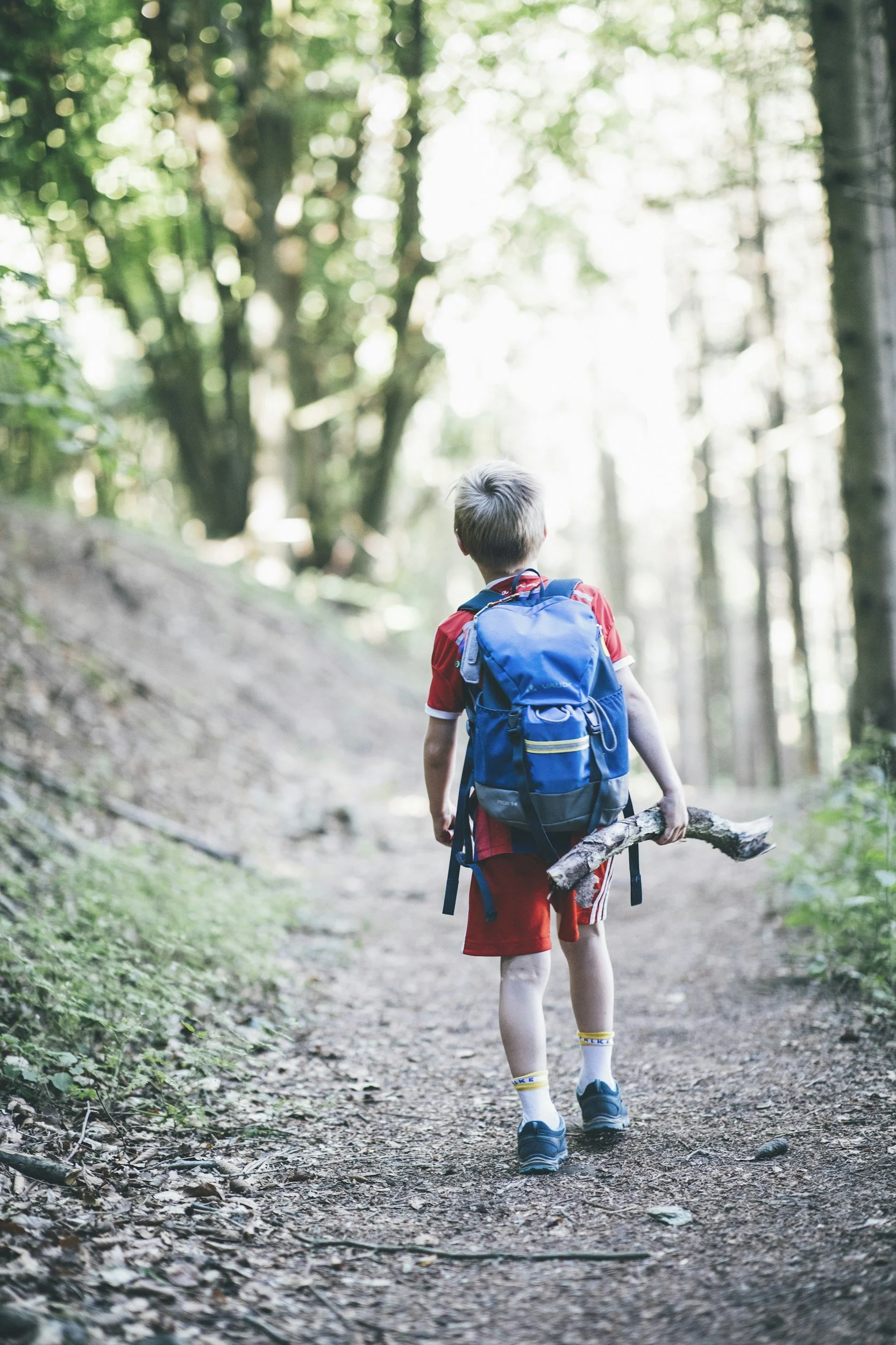
Hiking and nature walks
Biking
Horseback riding and horsemanship
Caring for barn animals
Group games
Trampolines
Community outings
Creative activities
Local fairs and festivals
Service projects
Other outdoor and experiential activities
These activities are incorporated into the broader Sandhill program.They’re aligned with children's therapeutic needs.
The goal isn’t simply to keep children occupied. Adventure and recreation can provide opportunities to practice emotional regulation, communication, flexibility, problem-solving, responsibility, and positive peer interactions.
Why Recreation Matters for Children's Development
Children naturally learn through experience. Playing a game, navigating a trail, caring for an animal, or participating in a group activity can require skills that are also important in school, family life, and relationships.
Recreational experiences can encourage children to:
Try something unfamiliar
Manage frustration
Follow directions
Work with peers
Solve problems
Communicate needs
Practice patience
Regulate emotions
Experience accomplishment
Develop confidence
These experiences can be meaningful for children who have experienced repeated frustration or difficulty in traditional settings.
Recreational activities provide opportunities to discover strengths and experience success. That’s rather than defining a child by their challenges.

Adventure Activities and Emotional Regulation
Emotional regulation is an important part of Sandhill Center's therapeutic approach. Children may have difficulty managing strong emotions, transitioning between activities, or responding flexibly when something doesn’t go according to plan.
Adventure and recreation can create natural opportunities to practice these skills.
A child hiking with a group may need to manage frustration when the activity becomes challenging. A child learning to care for a horse may need to slow down, follow directions, and remain aware of another living being. A group game may require flexibility when the outcome isn’t what the child expected.
These situations provide real-time opportunities. Supportive adults can help children recognize emotions and practice better responses.
Sandhill Center's approach is informed by the Neurosequential Model of Therapeutics (NMT). This emphasizes regulation, relationships, and development. NMT principles are incorporated throughout the day. This includes during outdoor and recreational activities.
Nature-Based Activities
Time outdoors can provide a different environment from the classroom or therapy room.
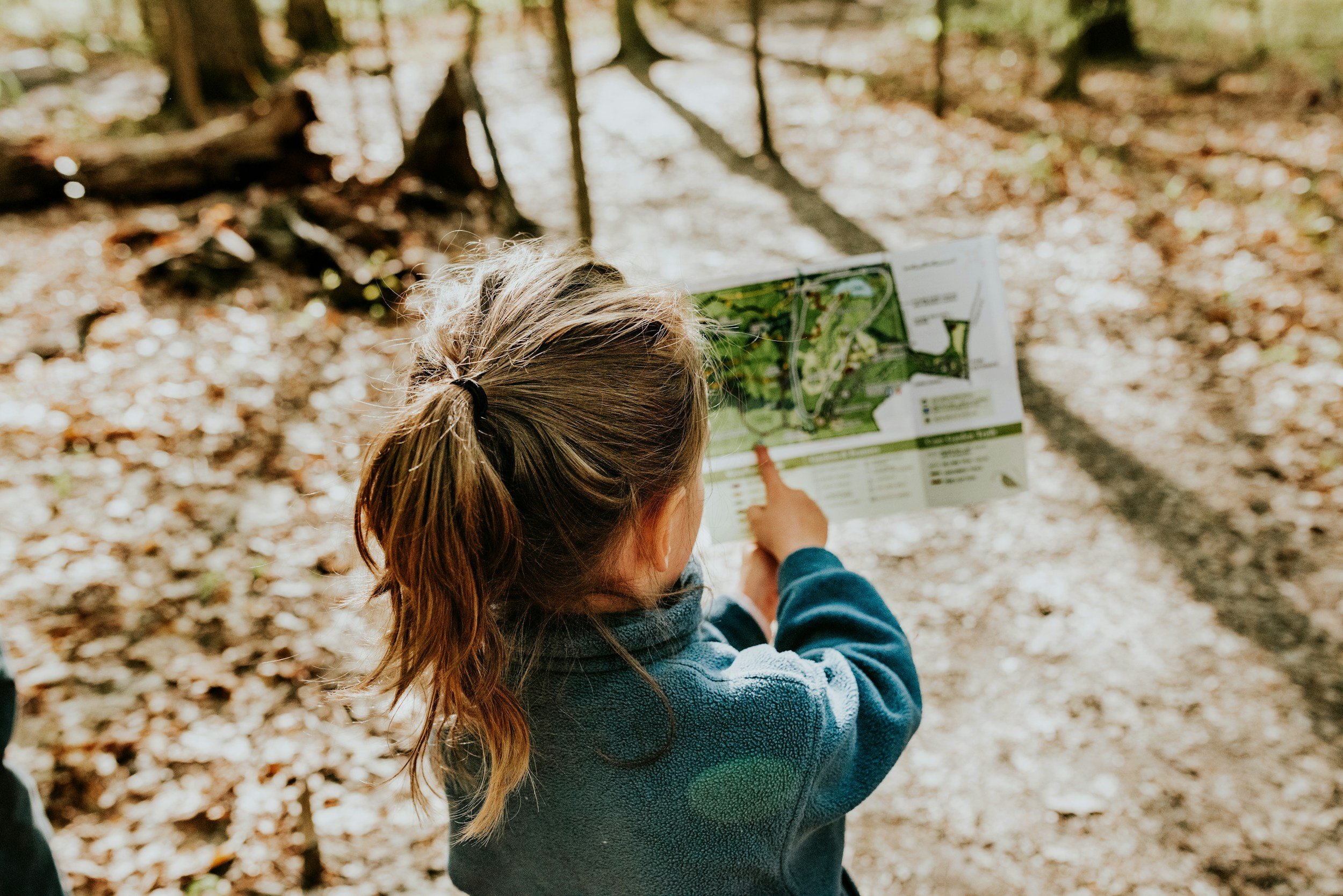
Sandhill Center's setting allows children to participate in nature walks, hiking, biking, outdoor learning, and other activities. Our community and recreation program also incorporates nature-based experiences such as walking trails and “walk and talk” activities.
Nature-based activities can provide opportunities for movement, observation, conversation, and reflection.
For some children, walking side by side with an adult may feel more comfortable than sitting across from someone in a conversation. Outdoor activities can also give children opportunities to practice skills while engaging with their surroundings.
These experiences should be viewed as part of a broader therapeutic program. That’s rather than as a standalone treatment for emotional or behavioral difficulties.

Horsemanship and Animal-Assisted Experiences
Animals are an important part of Sandhill Center's programs.
Children may participate in activities involving horses, therapy dogs, and other animals. Horsemanship can include riding as well as responsibilities such as feeding, grooming, and caring for animals.
These experiences can encourage patience, responsibility, empathy, communication, and confidence.
Working with animals can also provide children with opportunities to practice regulation. Caring for a horse, for example, requires attention to the animal's behavior and responses. Children may learn that their own pace, body language, and emotional state can affect how an interaction unfolds.
Sandhill Center’s animal-assisted experiences are opportunities for connection, co-regulation, emotional growth, and responsibility.
Building Social Skills Through Recreation
Recreation can also support social development.
Children may struggle with sharing space, taking turns, communicating, managing disagreements, or understanding how their behavior affects others. Group activities provide opportunities to practice these skills with support from adults.
A game may require cooperation. A community activity may require appropriate social communication. A service project may help children recognize how their actions can positively affect other people.
Sandhill Center incorporates prosocial group activities into its daily schedule. This gives children opportunities to practice problem-solving and appropriate social engagement with peers.
The emphasis is on practicing skills rather than expecting children to immediately show perfect social behavior.

Adventure and Recreation as Experiential Learning
Experiential learning means children have opportunities to learn through doing. That’s rather than relying only on verbal instruction.
This can be useful when teaching skills such as flexibility, responsibility, communication, and problem-solving.
A child might understand the importance of patience when discussing it in therapy. However, they may have a different opportunity to practice patience while learning a new activity. A child may understand that mistakes are part of learning but experience that lesson differently when trying a new physical or creative challenge.
Sandhill Center incorporates experiential learning throughout its programs. This includes outdoor activities, expressive activities, and real-world skill-building.
These experiences can help connect therapeutic concepts to everyday behavior.
Recreation Within a Structured Therapeutic
Environment
Adventure doesn’t mean that every activity is spontaneous or unstructured.
Sandhill Center's daily schedule provides children with predictable routines. These can include academics, therapeutic activities, recreation, meals, calming activities, and evening routines. Weekends can include extended outdoor adventures, hiking, biking, off-campus activities, and downtime.
This balance of structure and exploration can be important for children who need consistency while also developing greater independence.
Children can know what to expect while still having opportunities to make choices, try new experiences, and practice skills.
Recreation Can Help Children Discover Strengths
Children who have struggled at home or school may begin to view themselves primarily through the lens of their difficulties.
They may often hear about what they’re doing wrong, what they need to improve, or what behaviors are causing problems.
Adventure and recreation provide another way for children to experience themselves.
A child may discover an interest in biking, develop confidence around horses, become more comfortable hiking, or find that they enjoy helping with animals. These experiences can contribute to a stronger sense of competence and identity.
This doesn’t mean an activity will automatically resolve emotional or behavioral challenges. Instead, positive experiences can become one part of helping children recognize their abilities and build confidence.
Connecting Recreation to Therapeutic Goals
At Sandhill Center, recreational activities are connected to the larger therapeutic program. That’s rather than existing separately from it.
A child's treatment team can consider opportunities to practice skills. This can include emotional regulation, communication, flexibility, social engagement, or responsibility in different environments.
This is consistent with Sandhill Center's NMT-informed approach. It incorporates therapeutic principles across settings rather than limiting them to individual therapy sessions.
For children receiving residential treatment, this can be valuable. There are many opportunities throughout the day to practice developing skills.
Adventure and Recreation for the Whole Child
Children are more than their diagnoses or behavioral challenges. They also have interests, personalities, strengths, relationships, and potential.
A whole-child approach recognizes the importance of addressing emotional and behavioral needs. This is while also creating opportunities for children to experience connection, curiosity, accomplishment, and enjoyment.
Sandhill Center's adventure and recreation activities are one part of this broader environment. Alongside therapy, education, family involvement, and structured routines, recreational experiences give children more ways to learn and grow.
For families considering therapeutic residential care, this can be an important distinction. The goal isn’t simply to provide children with more activities. It’s to create an environment where everyday experiences can contribute to therapeutic growth.
Supporting Growth Through Meaningful Experiences
Children often remember what they experience as much as what they’re told.
A successful hike, a positive interaction with an animal, completing a challenging activity, helping someone in the community, or cooperating with peers can become an experience of competence and connection.
These moments don’t replace professional treatment. However, they can reinforce the skills children are developing through therapy and education.
At Sandhill Center, adventure and recreation are integrated into a structured therapeutic program for children ages 8–13. Through outdoor activities, horsemanship, animal-assisted experiences, community activities, and group recreation, children have opportunities to practice regulation, relationships, responsibility, and confidence.
Is your child having emotional, behavioral, or developmental challenges? Could they benefit from a therapeutic environment that combines clinical care with meaningful adventure and recreation? Contact Sandhill Center today. You’ll learn more about our programs and how personalized activities can support your child's growth.