

Adoption and Attachment Therapy: Helping Children Build Trust and Healthy Relationships
Adoption can create loving, supportive families. However, some adopted children may also have emotional, behavioral, or relationship challenges connected to their histories and developmental needs.
Adoption and attachment therapy are topics many parents explore when a child struggles with trust, emotional regulation, or forming close relationships. With the right support, children can develop healthier ways to connect with caregivers and navigate difficult emotions.
If your child needs more support, contact Sandhill Center today. You can learn how personalized, NMT-informed residential programs help children strengthen emotional regulation and build relationships.
What Is Attachment, and Why Does It Matter?
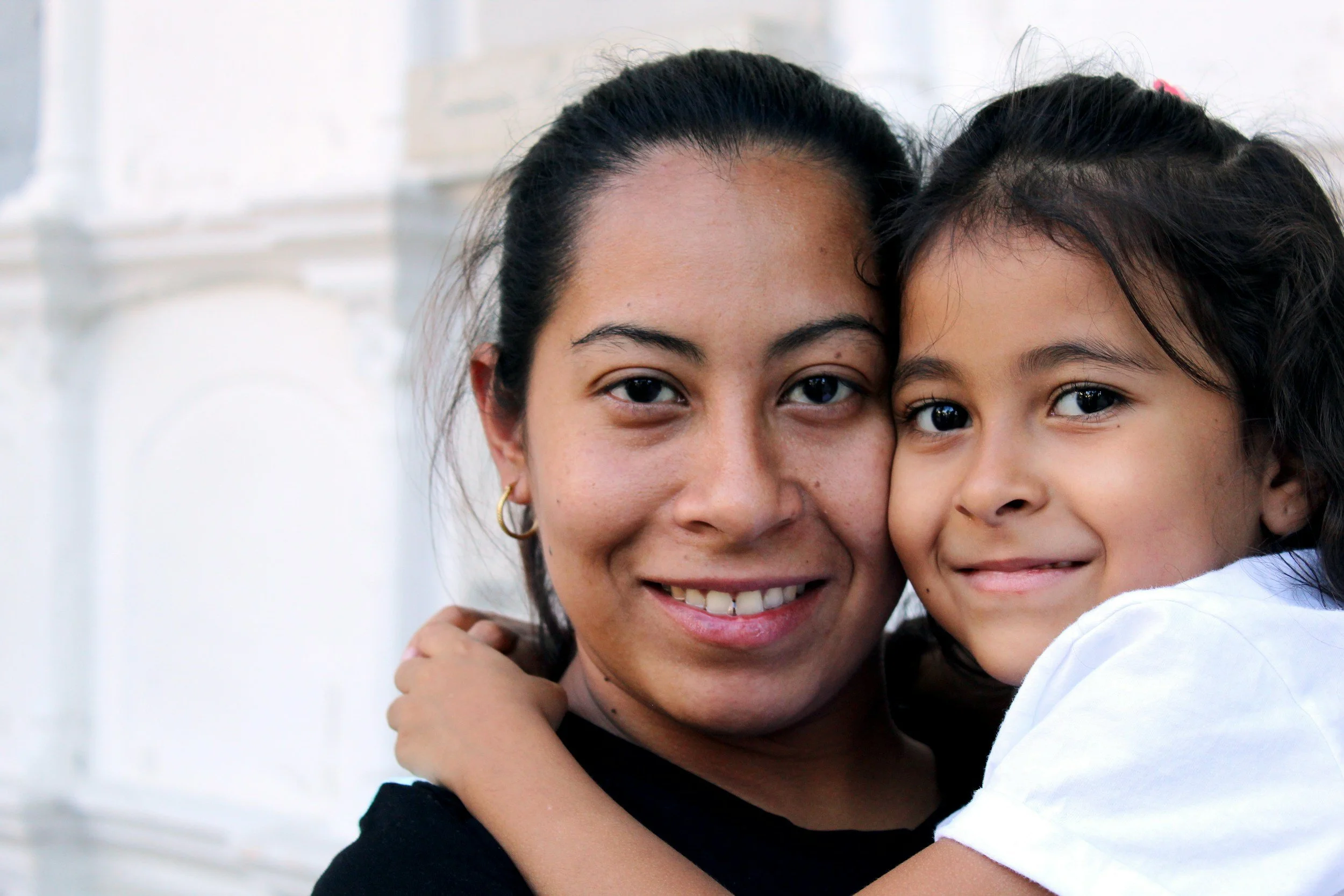
Attachment describes the emotional bond that develops between a child and their caregivers. Through consistent, responsive caregiving, children can learn that adults are available to comfort them, meet their needs, and help them navigate stress.
Secure attachment can provide a foundation for emotional development, confidence, and relationships. Children who feel safe seeking support may find it easier to explore their environment, recover from setbacks, and ask for help when needed.
However, attachment develops over time and is influenced by many factors. This can include a child's temperament, developmental experiences, caregiving relationships, and environment. Children can form attachments at different stages of life, and relationship difficulties don’t necessarily indicate an attachment disorder.
For some children, building trust may require more time and support. They may need repeated experiences with dependable adults before they feel comfortable accepting help, expressing vulnerability, or relying on others.
How Adoption Can Relate to Attachment Challenges
Adoption isn’t inherently associated with attachment problems. Many adopted children develop secure, loving relationships with their adoptive families. Others may need more support because of experiences before or after adoption.
A child's history can help explain some of the challenges they experience. However, adoption status alone cannot determine their emotional or behavioral needs.
Early Separation and Changes in Caregiving
Some adopted children have experienced separation from birth parents, foster caregivers, or other important people. Multiple changes in caregiving arrangements may make relationships and transitions more difficult for some children.
A child who has inconsistent caregiving may be uncertain about whether adults will remain available. They might seek reassurance, become distressed when a caregiver leaves, or appear reluctant to depend on others.
These reactions aren’t inevitable. Also, they don’t mean a child cannot develop secure relationships. Consistent care and support can help children build trust over time.
Adverse Experiences and Stress
Some children enter adoptive families after neglect, abuse, family instability, or other stressful circumstances. These experiences may affect emotional regulation, stress responses, and expectations about relationships.
However, not every adopted child has trauma, and not every behavioral challenge is caused by past adversity. An assessment should consider the child's full developmental, medical, educational, and relational history.
Understanding the child is more helpful than assuming all adopted children share the same needs.
Difficulty Trusting Adults
Children who’ve had unpredictable relationships may respond to caregiving in ways that are confusing or painful for parents. A child might reject comfort, resist adult guidance, test boundaries, or become upset when a caregiver attempts to help.
These behaviors can have many possible explanations, including stress, developmental differences, anxiety, or difficulty managing emotions. They shouldn’t automatically be interpreted as evidence of an attachment disorder.
With thoughtful assessment, caregivers and clinicians can better understand what a child is communicating and identify supportive responses.


What Is Adoption and Attachment Therapy?
Adoption and attachment therapy can refer broadly to therapeutic services. These can address adoption-related experiences, parent-child relationships, and attachment difficulties. It’s not one standardized treatment. Different providers may use the term to describe different approaches.
Treatment may involve the child, caregivers, or both. Depending on the child's needs, support may focus on emotional regulation, communication, and caregiver responsiveness. It may also focus on processing difficult experiences and strengthening the parent-child relationship.
Treatment should be personalized, developmentally suitable, and delivered by professionals using methods consistent with clinical standards.
Attachment-Focused Therapy
Attachment-focused approaches emphasize relationships in children's emotional development. Treatment may help caregivers recognize a child's signals, respond consistently, and create opportunities for positive interactions.
For some families, parent-child interventions can provide opportunities to improve communication, strengthen caregiver responsiveness, and address patterns that contribute to conflict.
The intervention should be selected according to the child's needs and the available evidence. Not every treatment described as attachment therapy has the same research support. Parents should ask providers about their training, methods, and treatment goals.
Adoption-Informed Counseling
Adoption-informed counseling recognizes that adoption can raise questions about identity, belonging, family history, and relationships. These topics may become more significant as children mature and begin asking more complex questions about their backgrounds.
Support should allow children to explore their experiences without pressuring them to feel a certain way about adoption. Some children may have many questions. Others may not want to discuss adoption at a given time.
Caregivers can help by providing honest, age-appropriate information, listening without judgment, and making room for a range of emotions.
Trauma-Informed Treatment
When a child has trauma, treatment may need to address the effects of those experiences alongside current emotional and relational difficulties.
Trauma-informed care considers the child's sense of safety, developmental needs, emotional regulation, and relationships. Depending on the assessment, clinicians may recommend evidence-based treatments for trauma-related symptoms.
Trauma-informed care isn’t the same as assuming trauma explains every behavior. It means approaching the child with curiosity, avoiding unnecessary distress, and adapting support to their circumstances.


Signs Your Adopted Child May Need More Support
Every child has difficult days. Also, no single behavior establishes an attachment problem. However, challenges that interfere with relationships, school, family life, or daily functioning may warrant professional assessment. Possible concerns include:
Difficulty accepting comfort: The child consistently struggles to seek or accept reassurance from trusted adults.
Intense reactions to separation: Everyday departures or transitions lead to significant distress.
Persistent conflict with caregivers: Interactions frequently escalate into arguments, resistance, or emotional withdrawal.
Difficulty regulating emotions: The child experiences intense outbursts or has trouble recovering after becoming upset.
Social or relationship challenges: The child struggles to maintain appropriate boundaries, trust others, or navigate peer relationships.
Ongoing effects of stressful experiences: Anxiety, avoidance, or other symptoms interfere with daily life.
However, these behaviors can occur for many reasons. They don’t necessarily indicate an attachment disorder. A clinician can evaluate the child's history, developmental needs, current relationships, and other possible contributing factors.
The goal is to understand what support the child needs rather than assigning a label based on isolated behaviors.

How the Neurosequential Model of Therapeutics Relates to Attachment
Sandhill Center uses the Neurosequential Model of Therapeutics (NMT). This helps to inform clinical assessment, treatment planning, and daily care.
NMT is a developmentally informed framework that considers a child's developmental history, current functioning, and personal needs. It’s not a specific attachment therapy or a single treatment protocol.
The framework emphasizes addressing regulation and relational connection as part of a developmental sequence of care. This is relevant to children who struggle with attachment-related concerns because feeling overwhelmed can make it more difficult to engage in relationships, communicate needs, or benefit from therapeutic activities.
For example, a child who becomes distressed during transitions may first need predictable routines and supportive adult interactions. As the child becomes better able to manage these situations, the clinical team can help build additional coping, communication, and relationship skills.
NMT doesn’t assume that every child with attachment challenges has experienced trauma or that all children require the same interventions. Instead, it helps guide personalized planning based on the child's unique presentation.
At Sandhill Center, NMT informs the broader therapeutic environment. This can include daily routines, staff interactions, educational support, and recreational activities. These provide opportunities for children to practice regulation and develop more positive relationships in everyday situations.

Frequently Asked Questions About Adoption and Attachment Therapy
Do all adopted children have attachment issues?
No. Many adopted children develop secure relationships with their adoptive families. Attachment difficulties depend on personal experiences, developmental factors, and relationships, not adoption status alone.
Can attachment issues develop after adoption?
Yes. Some children experience relationship or emotional challenges that become more apparent as they grow, encounter new situations, or face changing developmental demands. These difficulties can have several possible causes, so professional assessment may help clarify what’s happening.
How long does attachment therapy take?
There’s no universal timeline. Treatment length depends on the child's needs, the intervention, family circumstances, and progress. Building trust and changing established relationship patterns can take time, and progress may not be linear.
Is attachment therapy the same as trauma therapy?
No. Attachment-focused treatment emphasizes relationships and caregiving patterns, while trauma-focused treatment addresses the effects of traumatic experiences. The approaches may overlap when a child has both trauma-related symptoms and relational difficulties. However, the best treatment depends on the child's assessment.
What should parents look for in an attachment therapist?
Look for a licensed or credentialed mental health professional with relevant training and experience working with children and adoptive families. Ask about the treatment model, research supporting it, caregiver involvement, safety practices, and how progress will be evaluated. Be cautious of approaches that rely on coercion, forced physical contact, or frightening children.
Does Sandhill Center provide attachment therapy?
Sandhill Center identifies adoption and attachment issues among the challenges it addresses and uses NMT to guide its clinical programming. Contact admissions to discuss your child's needs and ask which interventions may be appropriate.
Helping Adopted Children Build Trust, Connection, and Resilience
Adoption can be the foundation of a loving family, and some children may still need more support as they develop trust, manage emotions, and navigate relationships. Adoption-informed and attachment-focused approaches can help address these needs when they’re matched to the child and delivered by professionals.
For children with emotional or behavioral challenges, Sandhill Center offers NMT-informed residential care. This is focused on personalized support, regulation, and meaningful relationships. Contact Sandhill Center to learn more about our assessment track and longer-term therapeutic program. You can learn whether our programs may be a good fit for your child.